
Tile projects punish weak tools. Drilling into porcelain, setting anchors, and driving fasteners through backer board calls for stable torque, useful speed control, and a chuck that holds its position. The right cordless drill drivers also matter in tight bathrooms, kitchens, and renovation zones where a full-size hammer drill becomes awkward.
A Fast Comparison Of The Options

FLEX FX1131-1A 24V Compact Drill Driver Kit

FLEX FX1151-2A 24V 750 In-Lbs Drill Driver Kit

FLEX FX1171T-2B 24V 1,400 In-Lbs Turbo Drill Kit
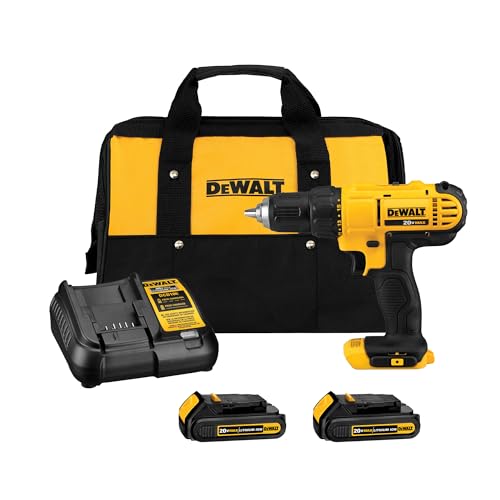
DEWALT DCD771C2 20V MAX Drill Driver Set
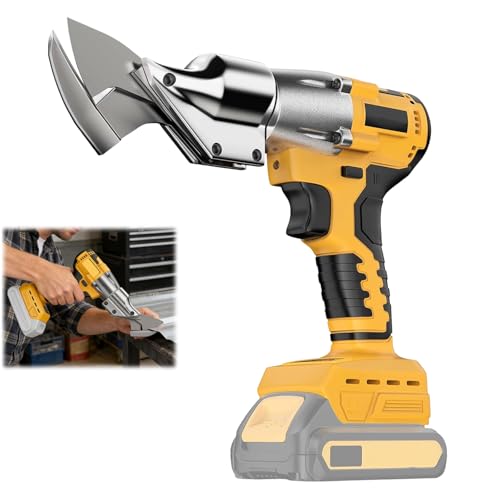
Cordless 14GA Metal Shears

Generic 4-Inch Long Barrel Air Hammer
Why These Options Stand Out
The FX1131-1A focuses on reach and control rather than maximum force. Its compact format suits overhead cabinet work and narrow wall cavities, where a larger driver can scrape surrounding surfaces. Compared with the FX1151-2A, it gives you a smaller footprint but less torque, so choose it for everyday tile accessories, light masonry anchors, and repetitive fastening tasks.
Brushless construction reduces the need for routine internal maintenance compared with a conventional motor. The 24V system provides more operating headroom than a compact 12V tool, although one 2.5Ah battery means you may pause during multi-stage installations.
Real Benefits
- Compact proportions help you work above cabinets and inside tight renovation cavities.
- The 650 in-lbs torque rating supports common drilling and fastening tasks without the bulk of a larger driver.
- Two-speed gearing gives you control between driving screws and drilling larger holes.
- The 160W charger is designed for faster charging than a basic compact charger.
Things To Consider
- It lacks the battery capacity of the FX1171T-2B for long tile runs.
- The lower torque rating makes it less comfortable for large masonry bits or stubborn anchors.
At A Glance
Made For
This model fits homeowners and installers working in tight rooms with mostly light-to-moderate tile drilling demands.
A Better Fit Elsewhere
Choose the FLEX FX1151-2A instead for more torque and two batteries when your project spans a full renovation.
The FX1151-2A sits in the useful middle of this group. Its 750 in-lbs rating provides more working leverage than the FX1131-1A while preserving a cordless, two-speed format for bathrooms, backsplashes, and flooring repairs. Two 2.5Ah batteries also reduce the interruptions that come from swapping a single compact pack during a long installation.
That balance makes it a practical choice for mixed project days, particularly when you move between cabinetry, drywall, wood, and tile-related anchors. Compared with the DEWALT DCD771C2, the FLEX package provides a higher stated torque figure and a 24V platform, but the exact fit depends on the rest of your tool collection.
Key Advantages
- 750 in-lbs torque gives you more authority for masonry anchors than the compact FX1131-1A.
- Two 2.5Ah lithium-ion batteries keep work moving through larger installs.
- The two-speed transmission helps you choose controlled driving for delicate surfaces or steadier torque for holes.
- Brushless motor construction supports low-maintenance ownership.
Practical Considerations
- It still does not match the 1,400 in-lbs output of the FX1171T-2B for the hardest drilling.
- Its higher output can cause kickback during long masonry-bit work, so keep a steady grip.
Right Fit For
This kit suits remodelers and serious DIYers handling a mixed queue of tile, drywall, wood, and hardware tasks.
Look Elsewhere When
The FLEX FX1171T-2B is a stronger fit for dense porcelain, large holes, and high-resistance anchors.
The FX1171T-2B is built for the moment a light-duty driver begins to bog down. Its 1,400 in-lbs torque output gives it substantially more reserve for dense tile, masonry bits, and stubborn fasteners, while Turbo Mode supplies extra output for demanding applications. The 2.5Ah and 5.0Ah battery pairing gives you both a lighter pack and a longer-running option.
Anti-kickback protection, which detects a jam during operation, adds a useful layer of control when a bit catches in tile or masonry. The tradeoff is weight and cost. Compared with the FX1151-2A, this is the more specialized choice for professionals or homeowners who regularly work through hard substrates.
The Value In It
- High torque reduces the chance of stalled drilling in dense tile and masonry.
- Turbo Mode provides a concentrated burst of power for resistance-heavy holes.
- Two battery sizes let you trade pack weight against longer work intervals.
- Jam detection helps you react to sudden tool binding on hard surfaces.
Points To Note
- The larger battery kit is less convenient for overhead work than the FX1131-1A setup.
- Tile drilling still benefits from a hammer function or separate rotary hammer for substantial masonry work.
Feature Snapshot
Built With In Mind
Contractors and experienced DIYers get the most value from this kit when their schedules include porcelain, masonry, or repeated anchor installation.
Another Choice May Suit
The FX1151-2A suits you better when most drilling is moderate and a lighter two-battery package matters more than maximum torque.
The DEWALT DCD771C2 emphasizes familiar, compact handling for everyday drilling and fastening. Its high-performance motor and two-speed transmission make it a versatile option for cabinetry, drywall, wood, and light tile-related work, particularly in spaces where a full-size driver feels difficult to control.
Two XR 1.3Ah batteries and a contractor bag make the kit practical for mobile work, though the battery platform does not match the FLEX 24V system. Compared with the FX1131-1A, this DEWALT model may fit you better for general household tasks than for high-resistance tile drilling.
The Upside
- Compact proportions make it easy to maneuver around cabinetry and inside wall cavities.
- The two-speed transmission provides a useful balance of driving control and drilling speed.
- Two batteries reduce downtime during ordinary household projects.
- The contractor bag keeps the tool and accessories together during transport.
Minor Gripes
- The stated 300 UWO output is less suited to large masonry holes than the FLEX models.
- Its batteries are smaller-capacity packs, so more frequent charging may interrupt demanding work.
Quick Facts
The Right Fit
Homeowners who handle a wide mix of household drilling tasks will find this package practical and easy to carry.
Reach For A Different Pick When
Choose the FLEX FX1171T-2B when your project centers on hard tile, masonry anchors, or stubborn large-diameter holes.
This cordless metal shear belongs in a workshop, not in the drill-driver shortlist. It is built to cut sheet metal up to 0.1 inch thick, including roofing and fabrication work, with a brushless motor and hardened alloy-steel blades. The built-in LED helps you see the cut line in dim spaces.
That narrow purpose is a strength, but it also means you still need one of the drill drivers above for holes, anchors, and fasteners around tile installations. Compared with conventional hand snips, the powered design reduces the force needed for a long cut, while edge handling still requires care.
What Earns Its Place
- Handles steel sheet up to 0.1 inch thick for roofing and metalwork.
- Brushless motor construction supports efficient operation with fewer internal components.
- Hardened alloy-steel blades are suited to repeated workshop cutting tasks.
- The LED helps reveal the cutting line in darker work areas.
Where It May Fall Short
- It cannot drill holes or drive anchors into tile.
- Sheet-metal blades need regular cleaning and occasional attention to prevent buildup.
Feature Rundown
Workshop Fit
Roofing installers and home metalworkers get the most benefit from this dedicated cordless cutter.
Another Choice May Suit
The DEWALT DCD771C2 is the better choice for tile-area holes, cabinet screws, anchors, and general household drilling.
The 4-inch long-barrel air hammer is a pneumatic striking tool for automotive and industrial work, not a cordless drill driver for tile. Its longer barrel gives you more reach when separating seized fasteners, removing pins, or working around rusted assemblies. The quick-connect chuck is designed for efficient bit changes during repetitive service work.
Anti-vibration construction may reduce transmitted movement during sustained shop use, but you still need an air supply and compatible hammer attachments. Compared with the DEWALT DCD771C2, it trades precise screw driving and portable cordless convenience for concentrated impact force.
Notable Gains
- The long barrel reaches deeper into automotive and industrial assemblies.
- Pneumatic impact action suits stubborn pins, bolts, and corroded hardware.
- Quick-connect chuck design helps reduce attachment changes.
- Anti-vibration handling supports repeated workshop tasks.
Soft Spots
- It requires pneumatic equipment and is not cordless.
- It is not designed for porcelain tile, anchors, or normal fastening work.
Built For Workshops
Automotive technicians and industrial maintenance teams get the right use from this air hammer when they need impact force and long reach.
Consider Something Else When
The FLEX FX1171T-2B is a better fit for tile anchors, hard drilling, and portable renovation work.
What Matters Before You Choose A Cordless Drill Driver
Torque and material resistance
Torque is the turning force applied to a bit or fastener. Hard porcelain, dense stone, and masonry require more reserve than drywall or cabinetry. The FLEX FX1171T-2B leads this group at 1,400 in-lbs, while the DEWALT set is more naturally suited to lighter household drilling.
A drill driver alone may not be the right tool for large masonry holes. A rotary hammer uses repeated impact action, so check the task and substrate before choosing.
Battery capacity and charging rhythm
Battery capacity is measured in amp-hours, or Ah. A larger Ah pack generally supports longer work intervals, but it also adds weight. The FX1171T-2B gives you both 2.5Ah and 5.0Ah packs, while the FX1131-1A keeps its setup compact.
For a single bathroom, one smaller battery may be convenient. For whole-home tiling, two batteries let you keep working while one pack charges.
Chuck size and accessory control
A 1/2-inch chuck accepts many common drill bits and driver bits. That flexibility matters for hole saws, masonry bits, and longer fasteners. The key chuck has all three FLEX models and the DEWALT model, while the metal shears and air hammer serve entirely different operations.
Balance in tight work areas
Compact tools reduce contact with cabinets, walls, and tile edges. The FX1131-1A and DEWALT DCD771C2 make the most sense for narrow interiors, while the FX1171T-2B prioritizes power over minimum size.
Common Mistakes To Avoid
Wrong Turns To Avoid
Do not choose solely by torque. Excess power can make small screws harder to control, especially near finished tile. Match the clutch settings to the fastener and work slowly through porcelain to reduce the chance of wandering.
Where Shoppers Go Wrong
Remember that a drill driver, a metal shear, and an air hammer solve different problems. A cordless shear cuts sheet, an air hammer breaks parts loose, and only a drill driver creates the hole or sets the anchor in the first place.
What The Higher Tier Buys
The Upgrade Payoff
Higher torque, larger battery options, and added controls make premium kits more useful for repeated demanding work. The FX1171T-2B earns its extra capability when you regularly encounter hard tile, masonry anchors, or long installation days. For occasional cabinet and drywall work, the compact FX1131-1A may be the more rational choice.
Frequently Asked Questions
Can a cordless drill driver drill porcelain tile?
A cordless drill driver can drill softer tile and many porcelain applications with the correct bit, steady pressure, and suitable speed. Hard, thick porcelain is more demanding, so a higher-torque model such as the FLEX FX1171T-2B may be more appropriate.
Do I need a hammer drill for tile?
A hammer drill adds impact action, which can make large holes in masonry and stone more manageable. A standard drill driver works for many smaller tile holes and fasteners, especially with the right bit and controlled technique.
Which battery size is best for long tile projects?
The 5.0Ah battery in the FLEX FX1171T-2B is likely to offer longer work intervals than the 2.5Ah option. The tradeoff is added weight, so lighter packs may be more comfortable for overhead or confined-space work.
Are metal shears useful for tile installation?
A metal shear is useful for roofing, flashing, trim, and sheet-metal fabrication, but it does not replace a drill driver. For tile layout cuts, a suitable tile cutter remains the relevant tool.
What matters most when choosing a compact drill driver?
Compact size matters most in tight rooms, while torque and battery capacity matter more for difficult materials and long jobs. Choose the balance that matches your substrate and working space rather than focusing on one specification alone.
