
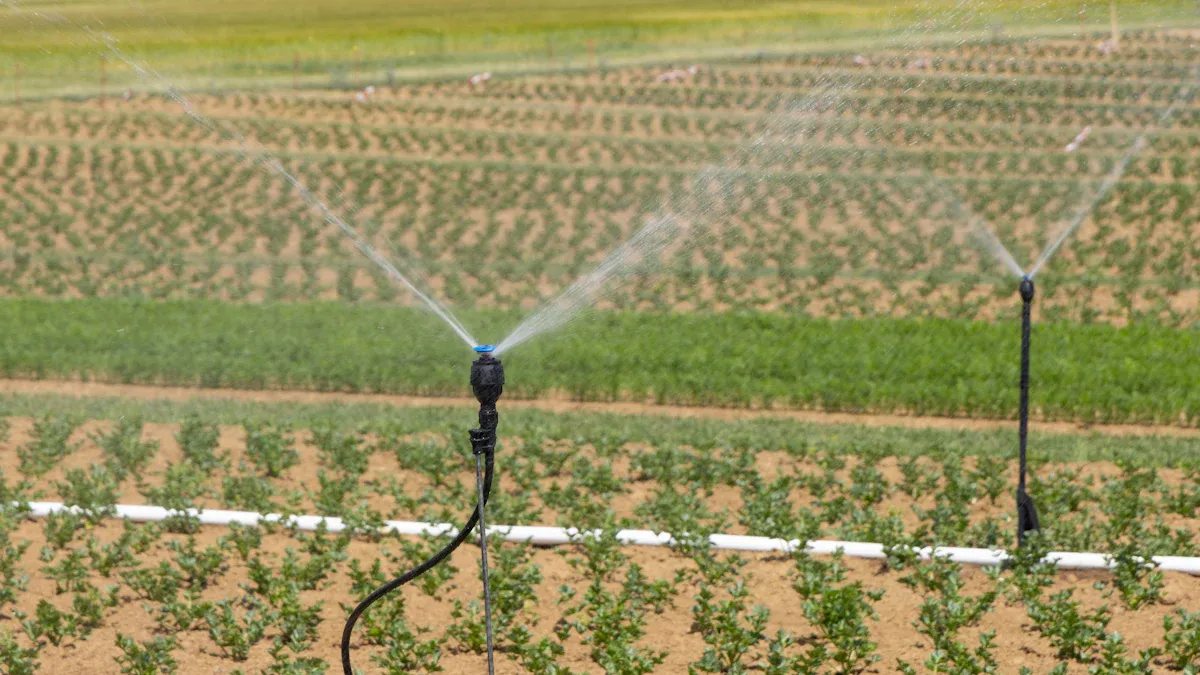
Water is a precious resource, and conserving it has never been more crucial. Did you know that by 2050, three out of four people will face the impacts of drought? Automated irrigation systems can help tackle this challenge by minimizing water waste. Unlike traditional methods that often waste up to 50% of water, these smart systems use technology to ensure your plants receive just the right amount of water when they need it. This not only promotes water conservation but also supports healthier landscapes.
Key Takeaways
Automated irrigation systems can save 30% to 70% of water compared to traditional methods, promoting conservation.
These systems use sensors to deliver precise watering, ensuring plants receive the right amount of water at the right time.
Investing in smart irrigation can lead to significant cost savings on water bills, often paying for itself within two to three years.
Smart irrigation enhances landscape health by providing consistent watering and reducing the risk of plant diseases.
Many local authorities offer financial incentives for adopting smart irrigation technology, making it more affordable.
How Automated Irrigation Works
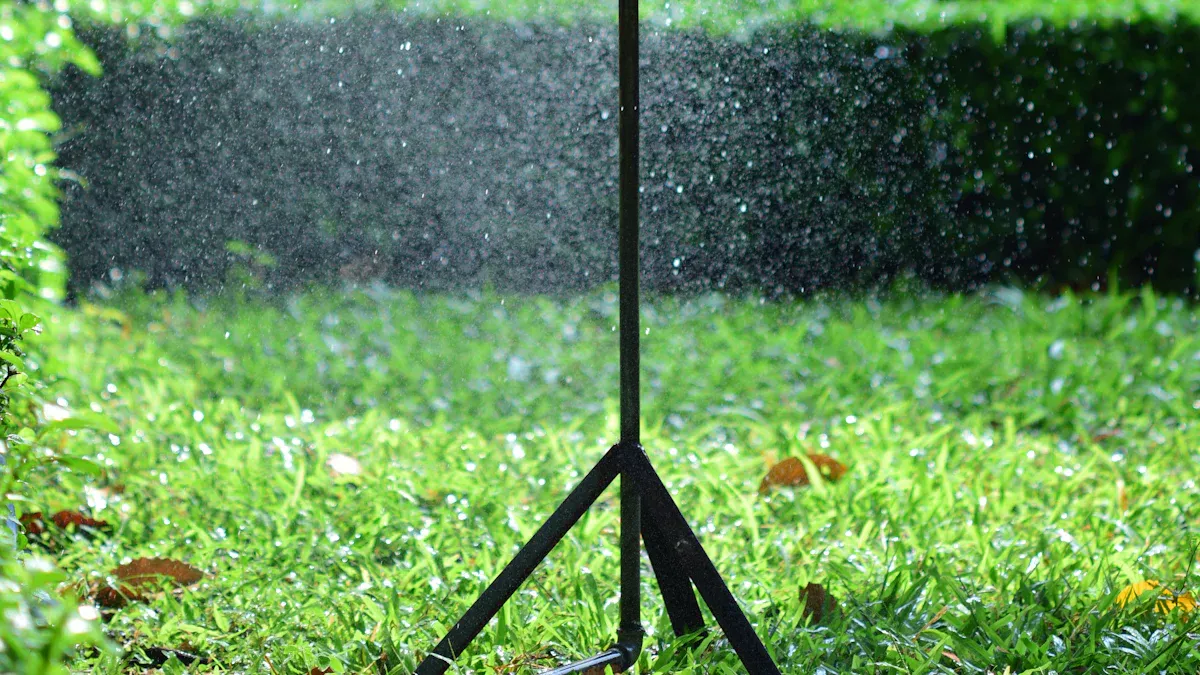
Automated irrigation systems are designed to make watering your plants easier and more efficient. Let’s break down how these systems work by looking at their key components and the role of sensors and controllers.
Key Components
An automated irrigation system consists of several essential parts that work together to deliver water precisely when and where it’s needed. Here are the key components of a smart automated irrigation system:
Timer or Irrigation Controller: This device automates your watering schedule. It sends signals to the valves to open and close, controlling the flow of water through the pipes.
Pipe or Tubing: These carry water from the source to your plants.
Valves: Valves regulate the water flow, allowing you to control which areas receive water.
Sprinkler Heads: These distribute water evenly across your landscape.
Backflow Preventer: This component prevents contaminated water from flowing back into your main water supply.
Together, these components ensure that your lawn receives the right amount of water at the right times, reducing waste and promoting healthy growth.
Sensors and Controllers
Sensors play a crucial role in optimizing water use in automated irrigation systems. They gather important data about your landscape and the environment. Here are some common types of sensors and the data they collect:
Sensor Type | Data Collected |
|---|---|
Soil Moisture Sensors | Measures volumetric water content and soil tension |
Weather Sensors | Collects data on weather conditions |
Plant Health Indicators | Assesses the health of plants |
Water Flow Rate Sensors | Monitors the flow of water in the system |
These sensors help you understand when your plants need water. For example, soil moisture sensors measure the water content in the soil and relay this information to the controller. Based on this data, the controller determines the timing and amount of irrigation needed. This process prevents both over-watering and under-watering, optimizing water usage for crop health.
Smart irrigation technology also adjusts watering schedules based on real-time environmental conditions. These sensors collect localized data, such as rainfall, temperature, humidity, and solar radiation, to ensure your plants get just the right amount of water. This approach minimizes waste and enhances efficiency, making your irrigation system smarter and more effective.
By integrating these components and sensors, automated irrigation systems not only save water but also promote healthier landscapes. You can enjoy a lush garden while contributing to water conservation efforts.
Benefits of Smart Irrigation Systems
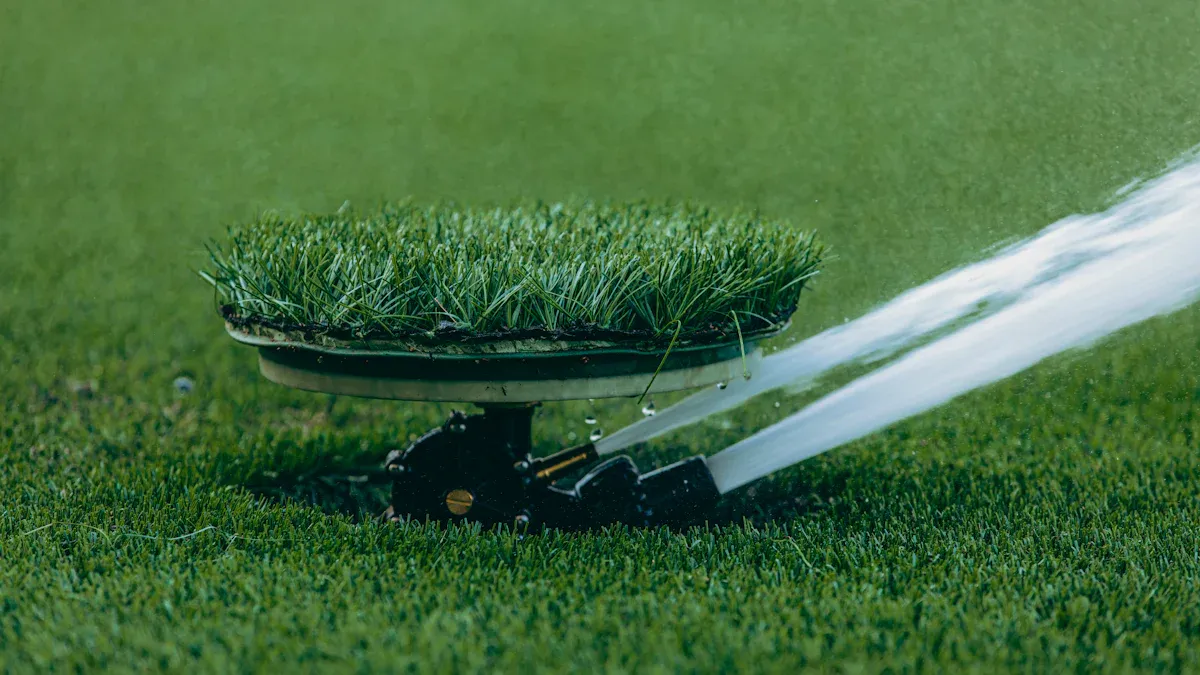
Smart irrigation systems offer numerous benefits that go beyond just saving water. Let’s explore how these systems impact water conservation and enhance the health of your landscape.
Water Conservation Impact
When you switch to smart irrigation, you can significantly reduce water waste. Studies show that these systems can save between 30% and 70% of water compared to traditional methods. Here’s a quick look at documented water savings:
Source | Water Savings Percentage |
|---|---|
American Society of Agricultural and Biological Engineers | 30% – 50% |
EPA WaterSense Commercial WBIC Study | 40% |
General Services Administration BAS Enabled WBIC Study | 66% |
University of Florida Advanced Irrigation Control Study | 40% – 70% |
Lawrence Berkeley National Laboratory | 15% – 38% |
By using smart controllers and sensors, you can ensure that your plants receive the right amount of water at the right time. This not only conserves water but also helps prevent issues like soil erosion and nutrient runoff.
Tip: Adopting smart irrigation systems contributes to a responsible and eco-friendly lifestyle. You’ll be doing your part to protect our planet!
Enhancing Landscape Health
Smart irrigation systems do more than just save water; they also promote healthier landscapes. Here’s how:
Consistent Watering: Automated irrigation ensures that your plants receive a steady supply of water. This consistency is crucial for healthy growth and prevents stress caused by fluctuating water availability.
Precise Water Delivery: These systems can deliver tailored amounts of water and nutrients to meet the specific needs of different plants. This precision avoids the negative impacts of overwatering and underwatering.
Reduced Disease Risk: By keeping foliage dry and watering directly at the root zone, smart irrigation helps manage humidity levels. This reduces the risk of fungal diseases and other stress-related issues.
Moreover, smart irrigation systems support biodiversity and ecosystem health. Efficient water management reduces strain on natural habitats, helping to protect aquatic biodiversity and maintain water quality. By using water wisely, you contribute to preserving local ecosystems and promoting a healthier environment.
Cost Savings with Automated Irrigation
Switching to an automated irrigation system can seem like a big investment at first, but let’s break down the costs and savings to see how it pays off in the long run.
Initial vs. Long-Term Costs
When you look at the initial costs, automated systems might seem pricier than traditional ones. Here’s a quick comparison of average installation costs:
System Type | Average Installation Cost |
|---|---|
Sprinkler System | $2,500 – $4,000 |
Drip Irrigation System | $1,500 – $3,000 |
Smart Irrigation System | $4,000 – $6,000 |
While traditional systems can range from $500 to over $5,000 for professional installation, smart systems typically cost between $3,500 and $5,500 for residential setups. However, the long-term savings can be significant. You might notice a decrease in your monthly outdoor water costs by $50 to $100, depending on your property size and local rates. Many users report a 30% to 50% reduction in their water bills, which often exceeds their initial expectations. Most homeowners see a payback period of just two to three years!
Financial Incentives
To make the switch even easier, many local water authorities and municipalities offer financial incentives for adopting smart irrigation technology. These programs can significantly lower your initial costs. Here are some common incentives you might find:
Rebates for installing smart irrigation systems
Water conservation programs that help offset installation costs
Support from government policies aimed at promoting sustainable water management
These incentives not only make smart irrigation more affordable but also encourage you to adopt practices that enhance water efficiency. By investing in automated irrigation, you’re not just saving money; you’re also contributing to a more sustainable future.
Tip: Always check with your local water authority for available rebates and programs. You might be surprised at how much you can save!
Evaluating Properties for Smart Irrigation
When considering smart irrigation for your property, you need to assess your water needs carefully. This evaluation helps you choose the right system for your landscape. Here’s how to get started.
Assessing Water Needs
To determine how much water your landscape requires, consider these methods:
Use the SLIDE equation to estimate water needs by adjusting reference evapotranspiration (ET) data with plant factors.
Group similar plants together based on their water needs. This way, you can manage irrigation more effectively.
Calculate water needs based on local ET rates and the specific plant factors for your landscape.
Understanding your landscape’s unique requirements is crucial. Factors like climate and soil conditions also play a significant role. For instance, hot, dry climates will need more efficient systems, while soil moisture measurements can help you optimize watering schedules.
Choosing the Right System
Selecting the right smart irrigation system involves several criteria. Here’s a handy table to guide you:
Criteria | Description |
|---|---|
Technology Integration | Ensure the system works well with your existing infrastructure. |
Data Analytics & AI | Look for systems that use data for predictive insights and automation. |
Scalability | Choose a system that can grow with your needs, from small gardens to larger landscapes. |
Ease of Use | The interface should be user-friendly for easy operation. |
Connectivity & Compatibility | Check if it supports various sensors and devices. |
Cost & ROI | Weigh the initial investment against long-term savings. |
Customer Support & Service | Consider the availability of technical support and training resources. |
Compliance & Standards | Ensure the system meets local regulations for water conservation. |
By evaluating these factors, you can find a smart irrigation system that fits your landscape perfectly. Whether you’re considering drip irrigation systems or other automated solutions, making an informed choice will lead to better water management and healthier plants.
Tip: Always consult with local experts or extension services to get tailored advice for your specific landscape needs!
Automated irrigation systems offer fantastic benefits for water conservation. They can reduce water usage in agriculture by up to 70%, increase crop yields by 30%, and save you money on water bills. Here’s a quick look at some key benefits:
Benefit | Description |
|---|---|
Water Conservation | Automated systems can reduce water usage in agriculture by up to 70%. |
Increased Crop Yields | Consistent watering leads to healthier plants and yield increases up to 30%. |
Labor Efficiency | Automation reduces the need for manual intervention, freeing up farmers’ time. |
Cost Savings | Ongoing savings from reduced water and labor costs lead to a quick return on investment. |
Environmental Sustainability | Smart systems reduce chemical runoff and overwatering, contributing to eco-friendly practices. |
Adopting smart technology is essential for sustainable practices. It ensures your plants get the right amount of water at the right time, reducing waste and promoting responsible water use. As the market for smart irrigation grows, now is the perfect time to consider upgrading your irrigation system. You’ll not only save water but also enhance the health of your landscape. 🌱
Tip: Investing in smart irrigation today can lead to a greener tomorrow!
FAQ
What is an automated irrigation system?
An automated irrigation system uses technology to water your plants efficiently. It includes timers, sensors, and controllers that adjust watering schedules based on real-time data, ensuring your landscape gets the right amount of water.
How much water can I save with smart irrigation?
You can save between 30% and 70% of water by switching to smart irrigation. These systems optimize water usage, reducing waste and promoting healthier plants while lowering your water bills.
Can I install a smart irrigation system myself?
Yes, many smart irrigation systems are designed for easy installation. However, if you’re unsure, consider hiring a professional to ensure proper setup and integration with your existing landscape.
Do smart irrigation systems work in all climates?
Absolutely! Smart irrigation systems can adapt to various climates. They use sensors to monitor local weather conditions, ensuring your plants receive the right amount of water regardless of your location.
Are there any financial incentives for installing automated systems?
Yes, many local water authorities offer rebates and incentives for installing automated irrigation systems. Check with your local municipality to see what programs are available to help offset installation costs.