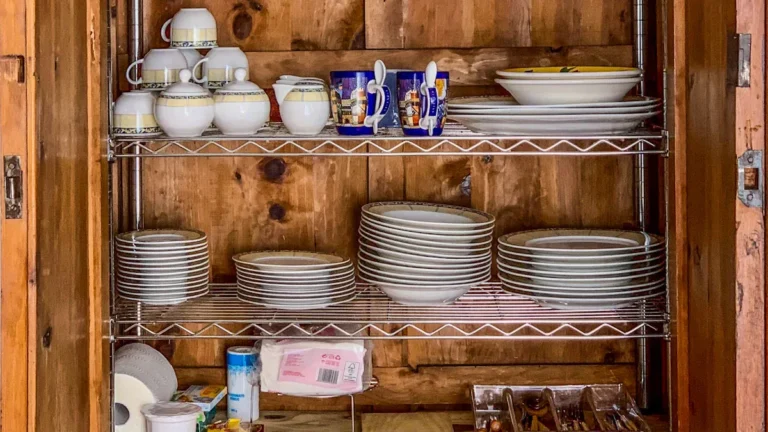

Food safety plays a crucial role in your everyday cooking. Poor hygiene can lead to serious health risks, as nearly 600 million people fall ill each year from contaminated food. In fact, 420,000 deaths occur annually due to foodborne diseases. Simple mistakes in your home kitchen can significantly impact food quality and health.
Key Takeaways
Keep your kitchen clean by washing surfaces and utensils after each use. This simple step helps prevent harmful bacteria from spreading.
Separate raw and cooked foods to avoid cross-contamination. Use different cutting boards and utensils for each type to ensure safety.
Cook food to safe temperatures using a food thermometer. This practice eliminates harmful bacteria and keeps your meals safe to eat.
Cleanliness and Food Safety
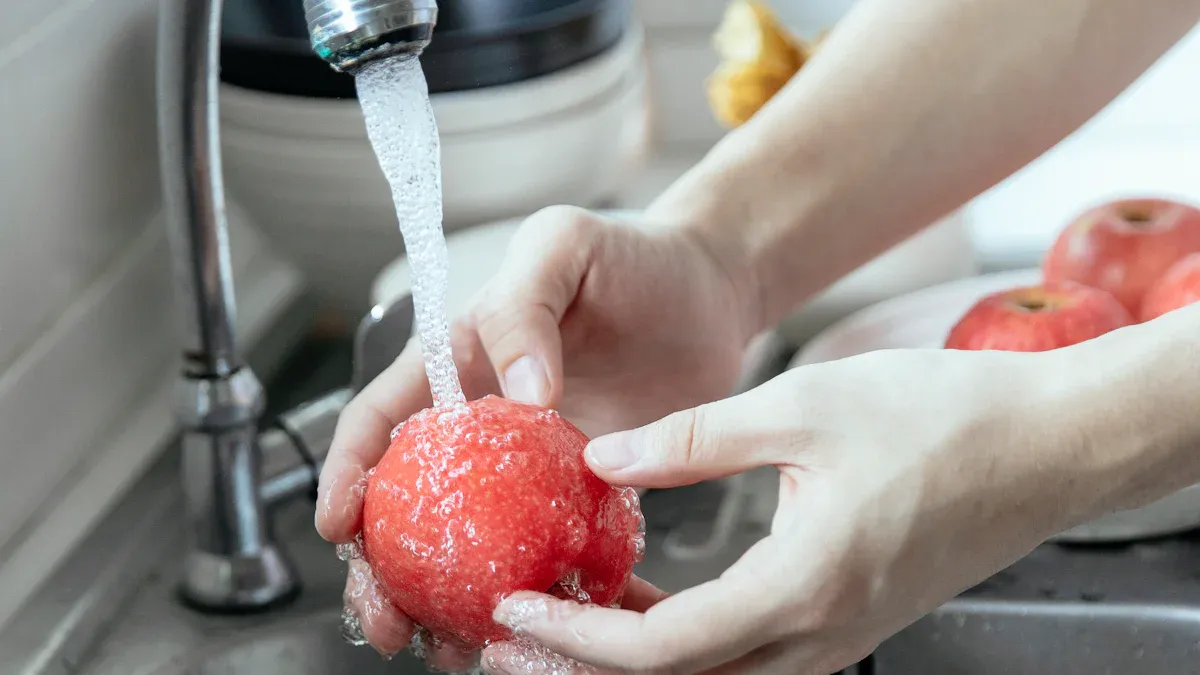
Keeping your kitchen clean is essential for food safety. A clean kitchen helps prevent the spread of harmful bacteria that can lead to foodborne illnesses. You can take simple steps every day to maintain cleanliness and ensure your food remains safe to eat.
Daily Cleaning Routines
Establishing a daily cleaning routine is a great way to keep your kitchen safe and hygienic. Here are some effective practices recommended by food safety authorities:
Wash surfaces and utensils after each use with hot, soapy water, especially after they’ve held raw meat, poultry, seafood, or eggs.
Wash dish cloths often in the hot cycle of your washing machine to eliminate bacteria.
Rinse fruits and vegetables under running water without soap, bleach, or commercial produce washes.
Scrub firm produce like melons or cucumbers with a clean produce brush to remove dirt and bacteria.
Wash hands thoroughly before, during, and after preparing food, especially after handling raw meat, poultry, seafood, or their juices.
Maintaining cleanliness in your kitchen can significantly reduce the risk of foodborne illnesses. For instance, bacteria can double on cutting boards after just 10 minutes of use, especially when cutting raw meat or vegetables. To help you understand which surfaces and tools require daily cleaning, check out the table below:
Kitchen Surface/Tool | Evidence of Bacterial Growth |
|---|---|
Cutting Boards | Bacteria can double after 10 minutes of use, especially when cutting raw meat or vegetables. |
Dishes | E. coli can survive on washed and dried dishes for up to three days. |
Dish Sponges | Contain the highest median number of unique foodborne pathogens among kitchen surfaces. |
Sink Drains | Most frequently contaminated with foodborne pathogens. |
Deep Cleaning Practices
While daily cleaning is crucial, deep cleaning your kitchen regularly is just as important. Deep cleaning helps eliminate hidden bacteria and ensures your kitchen remains a safe space for food preparation. Here are some recommended practices:
Use disinfectant wipes on handles and knobs.
Clean non-electrical components with warm soapy water followed by a disinfectant.
Choose non-toxic and eco-friendly cleaning products.
Use antimicrobial agents to kill bacteria on surfaces.
For food contact surfaces, use food-safe sanitizers.
Sanitize trash cans monthly to prevent odors and bacteria buildup.
Clean range hood filters and air vents to maintain air quality.
Experts suggest performing deep cleaning tasks monthly, such as cleaning the refrigerator, oven, and organizing cabinets. This routine helps keep your kitchen in top shape. Remember, cleanliness is crucial in preventing foodborne illness outbreaks. By adhering to effective cleaning and sanitizing procedures, you can significantly reduce the risk of contamination.
Implementing these daily and deep cleaning practices will help you maintain a safe and hygienic home kitchen. Your health and well-being depend on it!
Preventing Cross Contamination
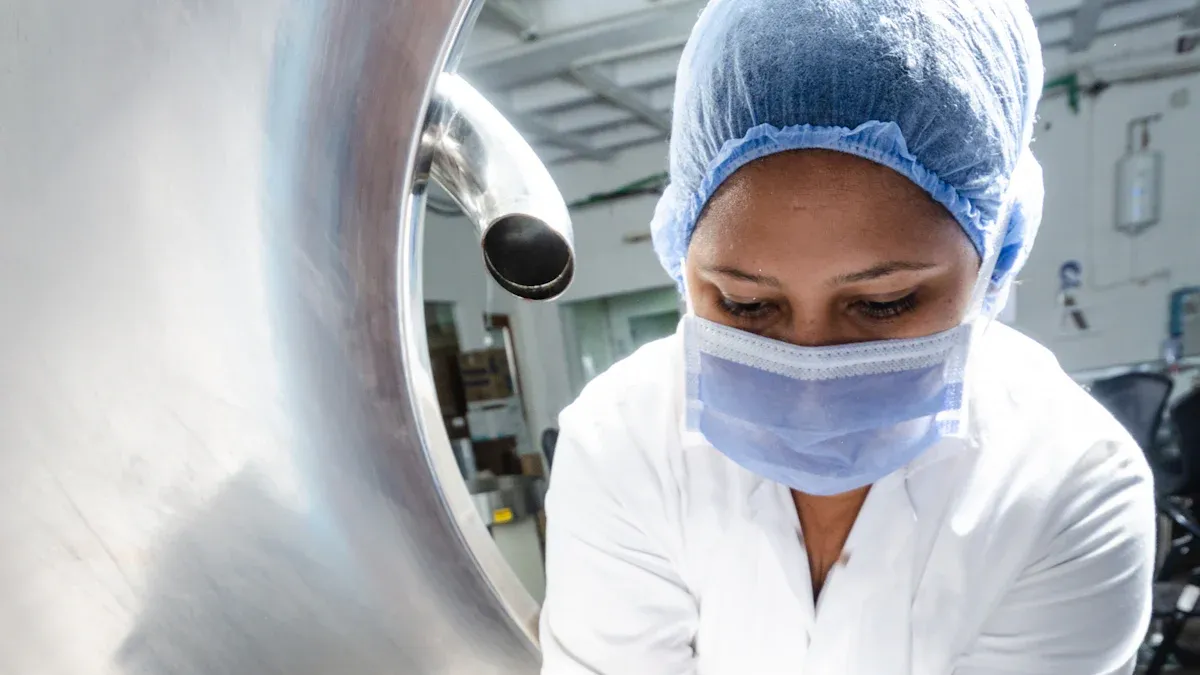
Cross-contamination occurs when harmful bacteria or pathogens transfer from one surface or food to another. This can happen in many ways, such as using the same cutting board for raw meat and vegetables. The risks are significant; cross-contamination can lead to foodborne illnesses, which can cause symptoms like nausea, vomiting, and even severe health issues in vulnerable populations.
Safe Food Handling Techniques
To keep your kitchen safe, you should follow these essential food handling techniques:
Keep cutting boards clean to prevent cross-contamination.
Wash your hands and surfaces regularly, especially after handling raw foods.
Separate raw foods from ready-to-eat foods during storage and preparation.
By adopting these practices, you can significantly reduce the risk of contamination. Here are some additional tips to help you separate raw and cooked foods effectively:
Keep raw and ready-to-eat foods separate.
Use separate countertops for cooked and raw foods.
Use multiple cutting boards — one for raw meats and another for fresh produce.
Use separate utensils and plates for raw and cooked foods.
Ensure all utensils, equipment, cutting boards, and countertops are clean before using them for different food types.
Organizing Your Kitchen
A well-organized kitchen can help minimize the risk of cross-contamination. Here are some strategies to consider:
Color-Coded Systems: Use specific colors for different food types to prevent confusion (e.g., red for raw meats, yellow for poultry).
Physical Separation: Prepare raw proteins and ready-to-eat foods at different times to avoid cross-contamination.
Vertical Storage Hierarchy: Store food items based on their cooking temperatures to prevent juices from raw items contaminating ready-to-eat foods.
You should also be aware of common sources of contamination in your kitchen. The table below highlights some of these sources:
Common Source of Contamination | Description |
|---|---|
Sponges | High levels of bacteria, often used for multiple cleaning tasks. |
Towels | Used for various purposes, leading to cross-contamination. |
Kitchen faucets | Can harbor bacteria, especially in aeration screens. |
Stove knobs | Frequently touched but often neglected in cleaning. |
Drainage pipes | Poor drainage can lead to stagnant water and disease vectors. |
By implementing these safe food handling techniques and organizing your kitchen effectively, you can create a safer cooking environment. Remember, preventing cross-contamination is key to maintaining food safety and protecting your health.
Safe Cooking Temperatures
Cooking your food to safe temperatures is crucial for food safety. It helps eliminate harmful bacteria that can cause foodborne illnesses. You want to ensure that your meals are not only delicious but also safe to eat.
Using Food Thermometers
Using a food thermometer is one of the best ways to check if your food has reached a safe internal temperature. Visual cues can be misleading. For example, ground beef might look brown but still be undercooked. A thermometer gives you an accurate reading, ensuring your food is safe without overcooking it.
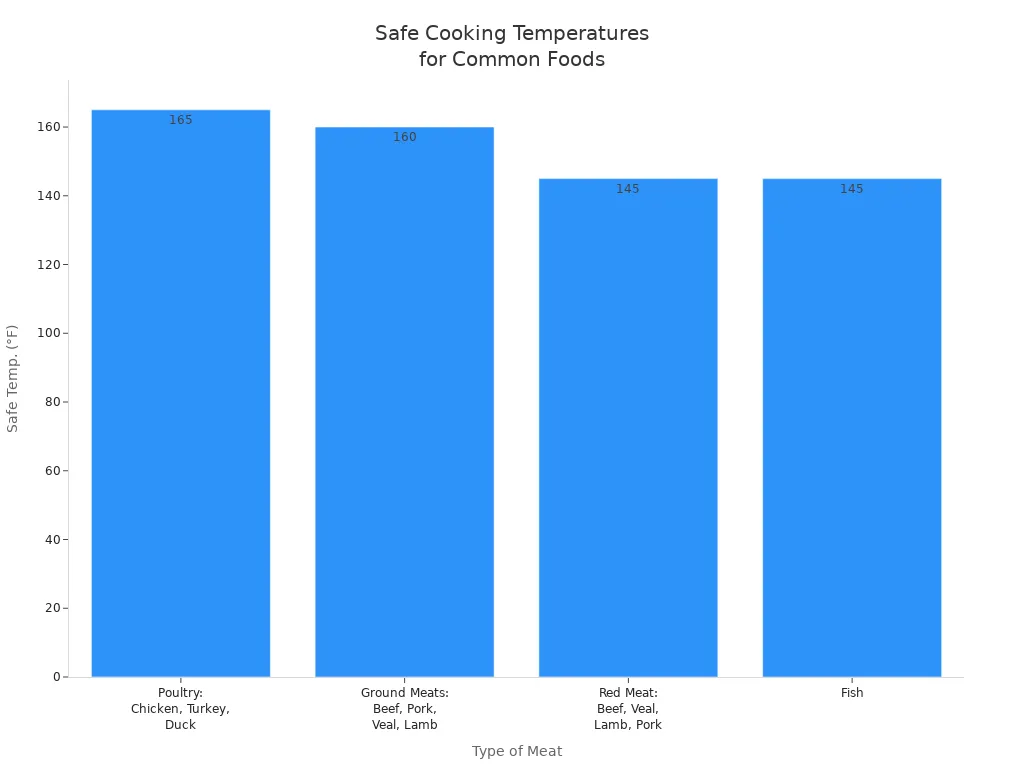
Here’s a quick reference for safe cooking temperatures for common meats:
Type of Meat | Safe Temp. |
|---|---|
Poultry: Chicken, Turkey, Duck | 165°F |
Ground Meats: Beef, Pork, Veal, Lamb | 160°F |
Red Meat: Beef, Veal, Lamb, Pork | 145°F with a 3-minute rest |
Fish | 145°F |
Storing Food Safely
Proper food storage is just as important as cooking. Bacteria thrive in the temperature danger zone, which ranges from 40°F to 140°F. To keep your food safe, follow these tips:
Refrigerate or freeze perishables right away, ideally within two hours.
Keep your refrigerator at or below 40°F and your freezer at 0°F.
Store raw meats on the bottom shelf to prevent juices from dripping onto other foods.
Always cover foods in sealed containers to prevent spoilage.
By following these guidelines, you can ensure that your kitchen remains a safe environment for cooking and food storage. Remember, safe cooking temperatures and proper food storage are key to preventing foodborne illnesses.
Tools for a Clean and Safe Kitchen
Creating a clean and safe kitchen starts with having the right tools. These essential kitchen tools not only help you prepare food but also ensure that you maintain a hygienic cooking environment. Here’s a list of must-have tools for your home kitchen:
Knives: A good set of knives is crucial for various culinary tasks. Just remember to handle them properly to avoid accidents.
Cutting Boards: Use separate cutting boards for raw meats and produce. This practice helps prevent cross-contamination.
Utensils: Invest in a variety of utensils, including spatulas, tongs, and ladles. Make sure to sanitize them regularly to keep your kitchen safe.
Food Thermometer: This tool is essential for checking that your food reaches safe cooking temperatures.
Produce Brush: Use this to scrub firm fruits and vegetables, ensuring they are clean before consumption.
Tip: Always wash your hands with warm, soapy water for at least 20 seconds before and after handling food. This simple practice is fundamental for kitchen hygiene and helps prevent foodborne illnesses.
Proper Food Preparation Techniques
Proper food preparation techniques are vital for reducing the risk of contamination during cooking. Here are some safe practices to follow:
Wash Your Hands: Always wash your hands before handling food. This step is crucial for maintaining food safety.
Clean Surfaces: Wipe down kitchen surfaces with soap and water before placing food on them. This helps eliminate any lingering bacteria.
Use Separate Cutting Boards: Designate specific cutting boards for different food types. For example, use one for raw meats and another for fruits and vegetables.
Cook to Safe Temperatures: Use a food thermometer to ensure your food reaches the appropriate internal temperature. This step is key to killing harmful bacteria.
Store Food Properly: Keep raw food separate from ready-to-eat food in the refrigerator. Use tightly fitting lids on dishes to prevent juices from spilling.
Cleaning fruits and vegetables is also essential. Always wash them under cool, running water. Avoid using soaps or detergents, as they can leave harmful residues. For thick-skinned produce, scrub with a clean produce brush. After washing, air dry or wipe down with a clean paper towel.
By following these tools and techniques, you can create a safe kitchen that promotes food safety and hygiene. Remember, a clean and safe kitchen is the foundation of healthy cooking!
In summary, maintaining food safety in your kitchen is vital for your health. Remember to keep your kitchen clean, prevent cross-contamination, and cook food to safe temperatures. By adopting these practices, you can protect your family from foodborne illnesses. So, take action today and make food safety a priority in your kitchen!
FAQ
What is the best way to wash fruits and vegetables?
Wash fruits and vegetables under cool, running water. Use a clean produce brush for firm items to remove dirt and bacteria.
How often should I clean my kitchen?
You should clean surfaces daily and perform a deep clean monthly to keep your kitchen safe and hygienic.
Why is it important to separate raw and cooked foods?
Separating raw and cooked foods prevents cross-contamination, reducing the risk of foodborne illnesses and keeping your meals safe to eat.