Proper kitchen ventilation plays a vital role in your home. It helps maintain indoor air quality by removing smoke, odors, and harmful pollutants. Without effective kitchen ventilation, you may expose yourself and your family to various health risks. Poor air quality can lead to respiratory issues and other health problems. Investing in Kitchen Ventilation Systems ensures that you create a safe and healthy cooking environment. Prioritize your well-being by understanding how kitchen ventilation impacts your home.
Key Takeaways
Proper kitchen ventilation is essential for maintaining good indoor air quality. It removes smoke, odors, and harmful pollutants, protecting your family’s health.
Inadequate ventilation can lead to serious health risks, including respiratory issues and cardiovascular problems. Prioritize ventilation to reduce these risks.
Invest in high-quality kitchen ventilation systems, like ducted range hoods, to effectively capture and expel airborne contaminants, ensuring cleaner air.
Regular maintenance of ventilation systems, such as cleaning filters and ducts, is crucial for optimal performance and safety in your kitchen.
Implementing good ventilation practices can significantly reduce indoor air pollution, prevent mold growth, and create a healthier cooking environment.
Why Kitchen Ventilation Matters
Indoor Air Quality Issues
Kitchen ventilation significantly impacts indoor air quality. When you cook, various pollutants enter the air. Common cooking methods produce harmful emissions that can affect your health. Here are some key pollutants generated during cooking:
Cooking Method | Pollutants Produced | Impact |
|---|---|---|
Grilling | Smoke, Grease | Major source of indoor air pollution |
Frying | Particulates, Gases | Releases harmful particulates and gases |
Charcoal Grilling | PM2.5 emissions | Contributes significantly to air pollution in urban areas |
The kitchen often becomes the most polluted area in your home. Emissions from gas ranges include nitrogen dioxide, formaldehyde, and carbon monoxide. These pollutants can lead to serious health concerns. Additionally, cooking generates ultrafine particles (UFPs) that can penetrate your bloodstream, increasing health risks.
You may also experience respiratory issues due to cooking emissions. Long-term exposure to particulate matter can lead to lung irritation and decreased lung function. Inhalation of volatile organic compounds (VOCs) can cause nausea and respiratory irritation. These compounds often come from heating oils and foods, as well as cleaning products used in the kitchen.
Health Risks of Poor Ventilation
Inadequate kitchen ventilation poses significant health risks. Poor air quality can lead to various respiratory issues. Long-term exposure to nitrogen oxides and particulate matter can result in asthma, chronic obstructive pulmonary disease (COPD), and other respiratory infections.
Here are some health risks associated with kitchen-generated pollutants:
Respiratory Issues: Exposure to nitrogen oxides and particulate matter can lead to coughing, wheezing, and diminished lung capacity.
Cardiovascular Problems: Inhaling these pollutants increases the risk of heart diseases and stroke.
Poisoning: Carbon monoxide exposure can cause headaches, nausea, and even unconsciousness. In severe cases, it can be fatal.
Children and elderly individuals are particularly vulnerable to the effects of poor kitchen ventilation. Studies show that higher household ventilation correlates with fewer reports of persistent cough and bronchitis among children. Ensuring proper kitchen ventilation can help mitigate these health risks and improve overall indoor air quality.
By prioritizing kitchen ventilation, you create a healthier cooking environment. This simple step can significantly reduce indoor air pollution and protect your family’s health.
Types of Kitchen Ventilation Systems
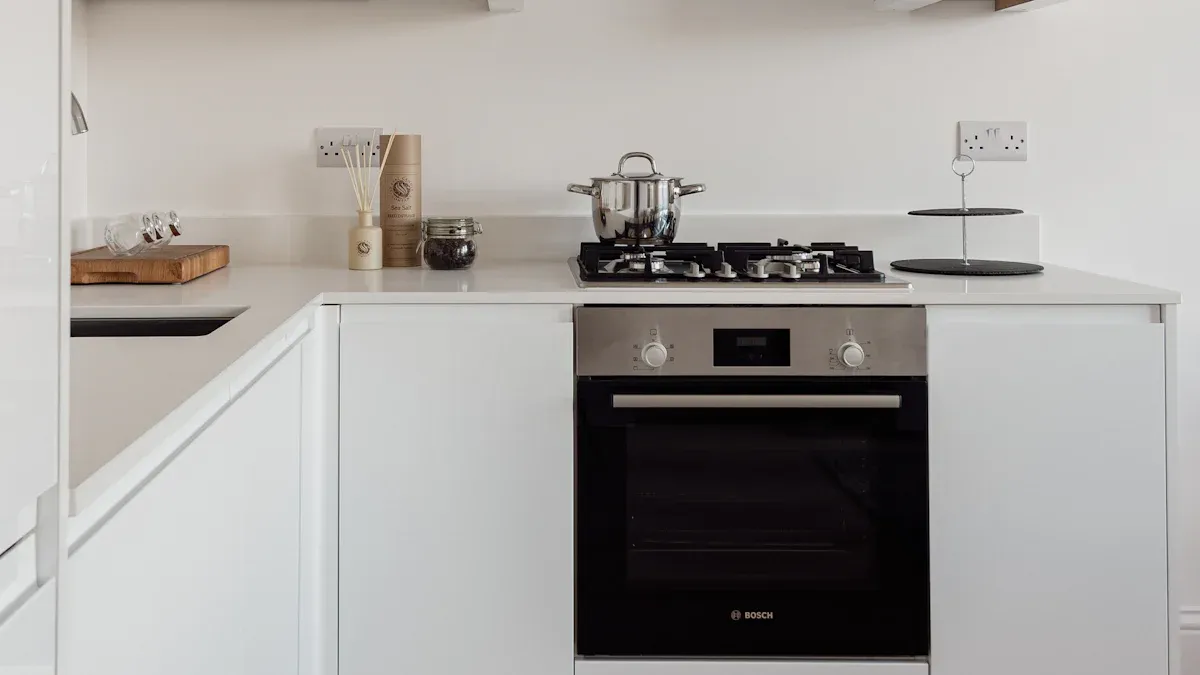
When it comes to kitchen ventilation systems, you have several options to choose from. Each system has its unique features and benefits. Understanding these can help you make an informed decision for your home.
Ducted Range Hoods
Ducted range hoods are among the most effective kitchen ventilation systems. They pull air upwards, utilizing the natural rise of hot air. This design allows them to capture smoke, steam, and odors efficiently. Here’s a quick comparison of ducted range hoods and downdraft systems:
Feature | Ducted Range Hoods | Downdraft Systems |
|---|---|---|
Air Capture Method | Pulls air upwards, utilizing natural rise of hot air | Pulls air horizontally from behind the cooktop |
Efficiency in Heavy Cooking | Highly efficient, captures smoke and steam effectively | Limited efficiency, may struggle with heavier tasks |
Airflow Challenges | Minimal challenges, designed for optimal airflow | Can cool cooking surfaces or extinguish flames |
Installation Location | Above the cooktop, requires more space | Behind the cooktop, more compact design |
Ducted hoods also excel in removing airborne contaminants. Unlike ductless hoods, which may leave some odors and grease behind, ducted systems exhaust everything outdoors. This ensures cleaner air in your kitchen.
Downdraft Systems
Downdraft systems offer a more compact solution. They pull air horizontally from behind the cooktop, making them ideal for kitchens with limited space. However, their efficiency can be lower compared to ducted hoods, especially during heavy cooking. If you often prepare meals that generate a lot of smoke or steam, you might find downdraft systems less effective.
Basic Ventilation Components
Basic ventilation components, such as exhaust fans and filters, play a crucial role in maintaining air quality. However, they often fall short in removing pollutants effectively. For instance, recirculating range hoods capture only about 30% of PM2.5 particles. This ineffectiveness can pose health risks, especially during cooking.
To meet kitchen exhaust requirements, consider investing in high-efficiency range hoods. These systems significantly reduce indoor pollutants generated during cooking, ensuring a healthier environment for you and your family.
Benefits of Proper Kitchen Ventilation

Reducing Pollutants
Proper kitchen ventilation plays a crucial role in reducing indoor air pollution. When you cook, various cooking pollutants enter the air. These include harmful gases and fine particles that can affect your health. By installing a high-quality kitchen ventilation system, you can achieve significant reductions in airborne pollutants. For instance, kitchen renovations can lead to a 23% reduction in PM2.5 exposure. Households with separate kitchens and mechanical ventilation experience PM2.5 levels about 50% lower than those without these features.
Using exhaust fans or opening windows while cooking helps remove harmful volatile organic compounds (VOCs) from the air. These compounds can irritate your respiratory system, leading to symptoms like coughing and wheezing. Prolonged exposure can cause headaches and chronic fatigue. By ensuring proper ventilation, you can minimize these risks and enjoy cleaner air in your kitchen.
Preventing Moisture and Mold
Moisture control is essential for preventing mold growth in your kitchen. Poor ventilation leads to moisture accumulation and increased humidity, creating an ideal environment for mold. Lack of proper ventilation contributes to moisture buildup from daily cooking activities. Without air movement, humidity levels rise, fostering mold growth.
To combat this, ensure good ventilation in your kitchen. Use exhaust fans while cooking to reduce moisture. Keeping windows open allows fresh air to circulate, making it harder for mold to thrive. Quick action is necessary when water leaks or spills occur indoors. If you dry wet materials within 24-48 hours, you can often prevent mold growth.
Here’s a summary of the relationship between kitchen ventilation and moisture control:
Evidence Description | Key Point |
|---|---|
Poor ventilation leads to moisture accumulation and increased humidity. | Creates an ideal environment for mold growth. |
Lack of proper ventilation contributes to moisture accumulation from daily activities. | Without air movement, humidity levels rise, fostering mold growth. |
Sufficient ventilation is crucial for halting mold growth. | Vital for maintaining a healthy household ambiance. |
By prioritizing proper kitchen ventilation, you not only enhance air quality but also protect your home from mold-related health issues.
Best Practices for Kitchen Ventilation
Regular Maintenance
To ensure effective ventilation in your kitchen, regular maintenance is essential. A well-maintained kitchen ventilation system operates efficiently and lasts longer. Here are some key maintenance tasks you should perform:
Hood Filters: Clean these monthly to prevent grease buildup.
Hood Surface: Wipe down weekly to keep it free from grime.
Accessible Fan Parts: Check and clean every three months.
Professional Duct Cleaning: Schedule this once a year, or more often if you cook heavily.
Kitchen Type | Maintenance Task | Frequency |
|---|---|---|
Home Kitchens | Hood filters | Monthly |
Hood surface | Weekly | |
Accessible fan parts | Every 3 months | |
Professional duct cleaning | Once per year | |
Commercial Kitchens | Hood filters | Weekly or bi-weekly |
Hood surface | Daily | |
Accessible fan parts | Monthly | |
Professional duct cleaning | Every 3 to 6 months |
By following these practices, you can enhance ventilation and reduce the risk of fire hazards. Regular cleaning of exhaust hood filters captures more grease, which helps maintain airflow and efficiency.
Air Quality Testing
Air quality testing is crucial for ensuring a safe cooking environment. You should perform tests regularly to identify any harmful pollutants. Here are some common methods for testing air quality in kitchens:
Air Sampling: Detects airborne mold spores.
Surface Sampling: Involves swabbing surfaces to identify mold.
DIY Mold Test Kits: Available for home use.
Professional Inspectors: Recommended for persistent mold issues.
For specific pollutants, consider the following testing frequencies:
Pollutant | Recommended Frequency |
|---|---|
Carbon Monoxide (CO) | Continuous monitoring with a CO detector |
Radon | At least once per year |
VOCs and allergens | Regular testing advisable |
By implementing these best practices, you can maintain a healthy kitchen environment. Regular maintenance and air quality testing will help you enjoy cooking without compromising your health.
Improving kitchen ventilation is essential for maintaining indoor air quality. Here are some key benefits of proper ventilation:
Benefit | Description |
|---|---|
Reduces Indoor Air Pollution | Cooking generates airborne pollutants; a quality range hood helps reduce these pollutants. |
Prevents Respiratory Issues | Proper ventilation minimizes irritants that can trigger asthma and allergies. |
Eliminates Excess Moisture | Effective ventilation controls humidity, preventing mold growth and related allergies. |
Reduces Fire Hazards | Ventilation systems capture airborne grease, reducing flammable buildup in the kitchen. |
Prevents Carbon Monoxide Buildup | A ventilation system expels carbon monoxide, preventing dangerous accumulation in the kitchen. |
To enhance your kitchen ventilation, consider these actions:
Install exterior exhaust fans to remove humidity and carbon monoxide.
Use quiet, durable fans that operate efficiently.
Implement spot and dilution ventilation to improve air quality throughout your home.
By taking these steps, you can create a healthier cooking environment for you and your family. Prioritize your kitchen ventilation today!
FAQ
What is the purpose of kitchen ventilation?
Kitchen ventilation removes smoke, odors, and pollutants from the air. It helps maintain indoor air quality, ensuring a healthier cooking environment for you and your family.
How often should I clean my range hood filters?
You should clean your range hood filters monthly. Regular cleaning prevents grease buildup, ensuring your ventilation system operates efficiently and safely.
Can I install a kitchen ventilation system myself?
While some systems allow for DIY installation, hiring a professional is often best. They ensure proper installation and compliance with local building codes.
What are the signs of poor kitchen ventilation?
Signs include persistent odors, excessive humidity, and visible grease buildup. If you notice these issues, consider upgrading your ventilation system for better air quality.
How can I improve kitchen air quality without a range hood?
You can improve air quality by using exhaust fans, opening windows, and ensuring proper airflow. Regularly testing air quality also helps identify potential issues.