
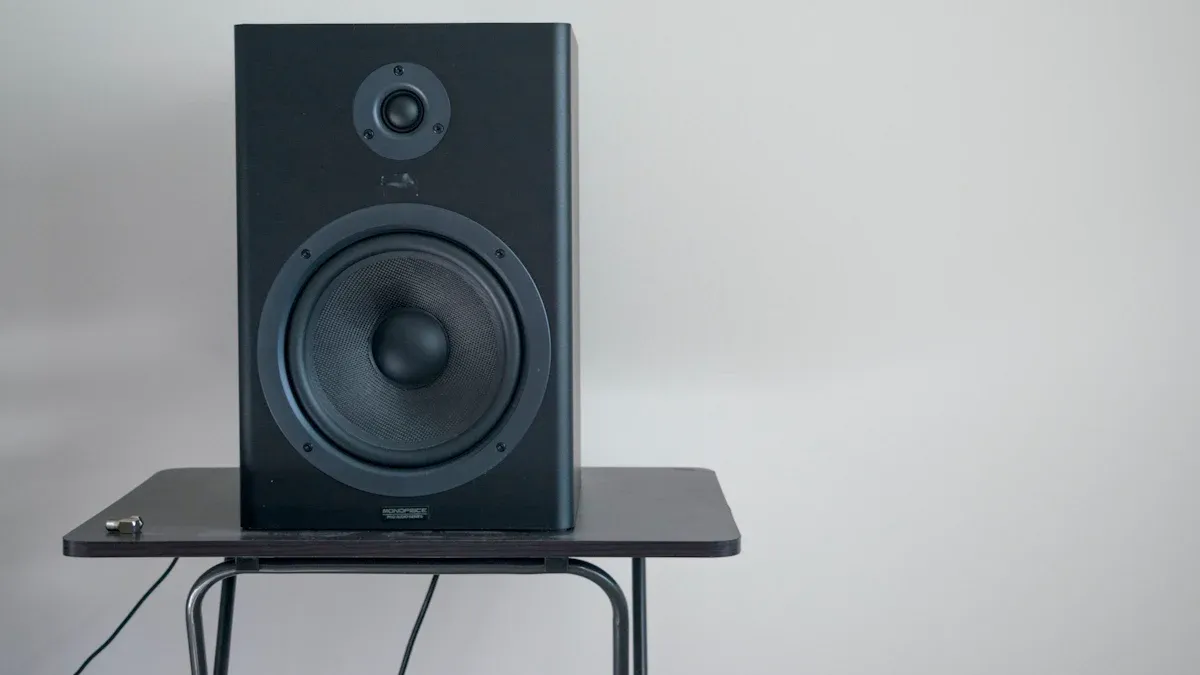
Home audio systems play a crucial role in transforming your entertainment experience. Whether you’re enjoying a movie night or listening to music, the right audio setup can make all the difference. You might wonder how to choose between a soundbar and a traditional speaker system. While soundbars offer convenience and sleek design, traditional setups often deliver that immersive, cinema-quality audio you crave.
Consider this: 77% of consumers are willing to pay more for better sound quality, and 82% plan to upgrade their devices for a richer audio experience. With the right choice, you can elevate your home theater to new heights.
Key Takeaways
Investing in quality audio equipment enhances your listening experience, providing superior sound clarity and long-term value.
Soundbars offer a compact, easy-to-set-up solution for improved TV audio, making them ideal for smaller spaces.
Surround sound systems deliver an immersive audio experience with multiple speakers, perfect for movie enthusiasts seeking a true theater feel.
Consider your space and budget when choosing between soundbars and surround sound systems to find the best fit for your needs.
Proper speaker placement and calibration are essential for achieving optimal sound quality in your home audio setup.
What Are Home Audio Systems?
Home audio systems are setups designed to enhance your listening experience at home. They provide a richer sound quality than standard TV speakers or portable devices. With a good home audio system, you can enjoy movies, music, and games like never before.
Types of Home Audio Systems
There are several types of home audio systems available to suit different needs and preferences. Here’s a quick overview:
Category Type | Description |
|---|---|
Home Theater in-a-box | Complete systems for home theaters |
Home Audio Speakers and Systems | Standalone speakers and audio systems |
Home Radios | Traditional and digital radios |
Others | Other miscellaneous audio systems |
Each type serves a unique purpose, whether you want a simple setup or a full-fledged home theater experience.
Benefits of Quality Audio Equipment
Investing in high-quality audio equipment can significantly enhance your listening experience. Here are some key benefits:
Superior sound clarity: High-quality sound allows you to hear every detail in your favorite songs or movies.
Long-term value: Quality gear lasts longer, often providing decades of enjoyment.
Customizable: You can tailor your setup to fit your personal taste and room acoustics.
Critical listening: High-quality systems excel in delivering rich sound across various genres, especially acoustic and orchestral music.
Additionally, quality audio equipment can improve your productivity. It reduces distractions and allows for deeper immersion in your tasks. You’ll find that listening fatigue decreases, enabling you to focus for longer periods.
What is a Soundbar?

A soundbar is a sleek, elongated speaker system designed to enhance your TV’s audio experience. Unlike traditional speaker setups that require multiple components and complex wiring, soundbars offer a more straightforward solution. You can easily place them in front of your TV or mount them on the wall. They serve as a bridge between your TV’s built-in speakers and a full surround sound system, providing a significant upgrade in sound quality.
Features of Soundbars
Soundbars come packed with features that make them a popular choice for home audio systems. Here are some key features that set them apart:
Feature | Soundbar | Traditional System |
|---|---|---|
Setup | Plug and play | Needs wiring and setup |
Space | Compact | Takes up more room |
Appearance | Sleek and modern | More components |
Sound | A big upgrade from TV audio | More immersive and powerful |
Budget | Beginner-friendly | Generally more expensive |
These features make soundbars an attractive option for those who want quality audio without the hassle of a complicated setup.
Advantages of Soundbars
You might wonder why soundbars have become so popular. Here are some advantages that make them stand out:
Easy Setup: You can set up a soundbar in minutes. Just plug it in, connect it to your TV, and you’re ready to go. No need for extensive wiring or complicated configurations.
Space-Saving Design: Soundbars are compact and fit neatly in front of your TV or can be mounted on the wall. This design is perfect for smaller living spaces where traditional speaker systems might be too bulky.
Improved Audio Quality: A soundbar significantly enhances your TV’s audio. Built-in speakers often struggle to deliver clear dialogue and rich sound. A soundbar addresses these issues, providing clearer dialogue and better bass response. Many models even simulate surround sound, creating an immersive experience that complements your TV’s picture quality.
A soundbar represents the perfect middle ground between your TV’s inadequate built-in speakers and a complex multi-speaker surround sound system. These sleek, horizontal speakers sit below your television, projecting sound directly toward viewers and creating an immersive audio experience that complements your TV’s excellent picture quality. One of the most immediate improvements you’ll notice with a quality soundbar is clearer dialogue. Many soundbars feature dedicated center channels or dialogue enhancement modes specifically designed to make voices crisp and intelligible.
Expandable Options: Many soundbars allow you to expand your audio setup. You can add wireless subwoofers or surround speakers to create a more robust sound system without the hassle of complicated wiring.
Affordability: Soundbars are generally more budget-friendly than traditional surround sound systems. They offer a great way to improve your audio experience without breaking the bank.
Surround Sound Systems Explained
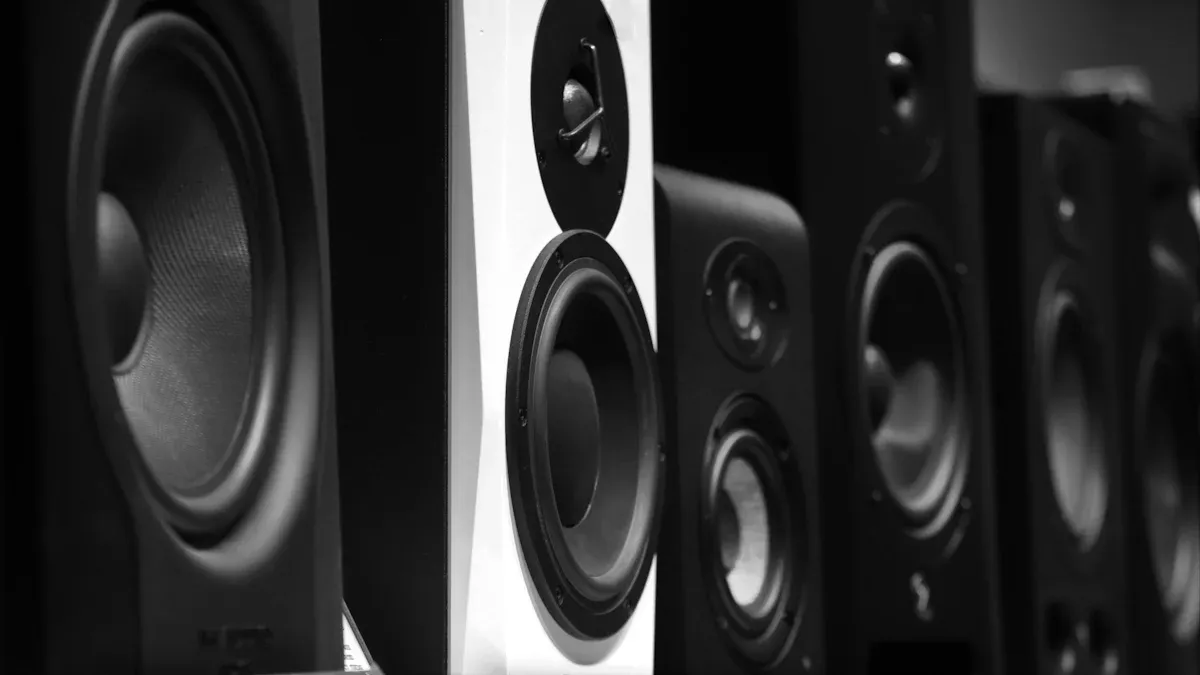
Surround sound systems create an immersive audio experience that brings movies, music, and games to life. These systems use multiple speakers placed around your room to deliver sound from different directions. This setup makes you feel like you’re right in the middle of the action.
Components of Surround Sound
A typical surround sound system includes several key components:
TV or projector: This is your visual display, where you watch movies or shows.
A/V receiver: This device powers your speakers, processes audio signals, and connects various audio/video sources. When choosing an A/V receiver, consider its power output, number of channels, and connectivity options.
Loudspeakers: These are the heart of your system. You’ll typically have front speakers, a center speaker, and surround sound speakers.
Source components: These include devices like DVD/Blu-ray players or streaming devices that provide the content you enjoy.
Benefits of Surround Sound
Investing in a surround sound system offers numerous advantages:
Enhanced audio clarity: The center speaker plays a crucial role in making dialogue clear, especially in movies. You won’t miss a single word of your favorite scenes.
Powerful sound effects: Front speakers enhance music and sound effects, giving you a more dynamic audio experience.
Immersive environment: Side, rear, and ceiling speakers create a surround sound experience that envelops you. You’ll feel like you’re part of the action, whether it’s a thrilling chase scene or a quiet moment in a drama.
To achieve the best sound, pay attention to speaker placement. For a 5.1 system, position the rear surround channels correctly for optimal effects. In a 7.1 system, place two rear and two side channels, ensuring the side channels are slightly forward of your main listening area. Proper placement can make all the difference in your audio experience.
With a high-quality surround sound system, you’ll enjoy an audio experience that transforms your home entertainment. Whether you’re watching a blockbuster movie or listening to your favorite album, surround sound elevates every moment.
Soundbar vs. Surround Sound
When deciding between a soundbar and a surround sound system, you should consider two main factors: sound quality and setup complexity. Each option has its strengths and weaknesses, so let’s break them down.
Sound Quality Comparison
Sound quality is often the most significant factor in your decision. Here’s how soundbars and surround sound systems stack up:
Soundbars:
They provide improved audio quality over built-in TV speakers, especially when it comes to dialogue clarity. However, they lack the immersive experience that surround sound systems offer.
In blind listening tests, musicians noted that soundbars sometimes struggled with clarity, especially in complex scenes. While they enhance your TV’s audio, they can’t fully replicate the depth of a surround sound setup.
Surround Sound Systems:
These systems create a multi-directional sound experience that envelops you. They excel in delivering better bass response and clarity, making them ideal for movie enthusiasts and audiophiles.
With a surround sound system, you’ll enjoy a true surround sound effect. This setup allows you to hear sounds coming from different directions, enhancing your overall theater experience.
Here’s a quick comparison of their sound features:
Feature | Soundbar | Surround Sound System |
|---|---|---|
Channel Configuration | 2.1 (stereo + sub) | 5.1 (with rear speakers) |
Power Output | Ranges from 60W to 410W | Higher total output (e.g., 410W) |
Audio Formats | Supports Dolby Atmos, etc. | True spatial audio, deeper bass |
Subwoofer Type | Wireless options available | Dedicated subwoofer |
Rear Speaker Setup | Limited true surround effect | Multiple discrete speakers |
Best Use Case | Small to medium rooms | Dedicated home theaters |
Space and Setup Considerations
Another crucial aspect to consider is how much space you have and how much effort you’re willing to put into setup.
Soundbars:
Setting up a soundbar is quick and straightforward. You can usually get it running in under ten minutes with just a power cord and an HDMI cable. This simplicity makes soundbars a great choice for those who want an upgrade without the hassle.
They require minimal space, often fitting neatly under your TV or mounted on the wall.
Surround Sound Systems:
Installing a traditional surround sound system is more involved. You need to plan speaker placement and manage wiring, which can take time and effort. This complexity might not be ideal for everyone.
Surround sound systems require significant space due to multiple speakers and a receiver. If you have a dedicated home theater room, this setup can be worth the investment.
Here’s a quick look at the setup differences:
Attribute | Soundbar | Traditional Surround Sound |
|---|---|---|
Setup Complexity | Very Low (often one cable) | High (requires receiver, speaker placement, and wiring) |
Space Required | Minimal (a single bar under the TV) | Significant (multiple speakers and a receiver) |
Components of Home Audio Systems
When setting up your home audio system, understanding the key components is essential. Each part plays a unique role in delivering an exceptional audio experience. Let’s break down the main components you’ll need.
Speakers
Speakers are the heart of any audio system. They convert electrical signals into sound, allowing you to enjoy your favorite music and movies. Different types of speakers serve various purposes:
Subwoofers: These specialize in low frequencies, delivering deep bass sounds that make action scenes more thrilling.
Tweeters: Designed for high frequencies, tweeters ensure that you hear every detail in the music, from crisp vocals to delicate instrumentals.
Full-range speakers: These attempt to cover a broad spectrum of sound but may lack precision in the extremes.
Speaker Type | Characteristics |
|---|---|
Subwoofers | Specialize in low frequencies (below 200 Hz) |
Tweeters | Focus on high frequencies (above 2 kHz) |
Full-range | Attempt to cover a broad spectrum but may lack precision in extremes |
Subwoofers
Adding a subwoofer to your setup can significantly enhance your audio experience. Subwoofers bring the full force of deep sound effects to life. They allow you to hear all the action as intended by the director.
Subwoofers give a good chunk of visceral impact. In some horror movies, such as A Quiet Place Part 2 and Hereditary, the Low Frequency Effects (LFE) are used to put your body into a sense of anxiety and dread.
Investing in a subwoofer is one of the easiest ways to improve your overall sound experience. It’s a significant upgrade that you won’t regret.
Receivers
The receiver acts as the brain of your home audio system. It connects all your components, processes audio signals, and powers your speakers. When choosing a receiver, consider its power output and the number of channels it supports. This will determine how many speakers you can connect and how powerful your sound system will be.
A good receiver integrates seamlessly with your other devices, like TVs and gaming consoles. It allows you to enjoy a surround sound experience that immerses you in your favorite content.
By understanding these components, you can create a home audio system that meets your needs and elevates your entertainment experience.
Setting Up Your Home Theater
Creating an effective home theater setup starts with understanding your space. You want to assess the room’s size and shape to optimize your audio experience.
Assessing Your Space
Consider these factors when evaluating your room:
Room Size: Larger rooms can create echo, while smaller ones may sound boxy.
Shape: Irregularly shaped rooms can lead to uneven sound distribution.
Acoustic Treatment: Use absorption materials and bass traps to manage sound quality effectively.
Speaker Placement Tips
Proper speaker placement is crucial for achieving an immersive audio experience. Here are some tips to help you position your speakers:
Place speakers at least 1 to 2 feet above ear height and angle them toward your listening position.
Keep speakers away from the back wall to avoid exaggerated bass frequencies. Experiment with their distance from the wall to find the best sound.
For the best results, position your main speakers at ear level when seated, about 3.9 feet from the floor. Use stands if necessary.
Here’s a quick checklist for speaker placement:
Angle the left and right speakers towards your listening position.
Start with speakers close to the wall and gradually move them out while listening for improved bass clarity.
Don’t forget the center channel speaker! It’s vital for dialogue clarity in movies.
Connection and Configuration
Once you’ve placed your speakers, it’s time to connect everything. Many people overlook the importance of the center channel speaker, which can lead to a poor audio experience. Ensure all your connections are secure.
Here are some common mistakes to avoid:
Common Mistakes | Description | Troubleshooting Steps |
|---|---|---|
Loose or Unplugged Cables | Can cause no sound to be transmitted. | Check all connections to ensure they’re secure. |
Amplifier Issues | The amplifier might be off or malfunctioning. | Make sure the amplifier is powered on and set correctly. |
Incorrect Mixer Settings | Muted channels can prevent sound transmission. | Verify all mixer channels are unmuted and set properly. |
Calibrating your home theater system is essential for optimal audio performance. Adjust settings based on room acoustics and synchronize speaker distances to ensure sound reaches you simultaneously. With these tips, you’ll create a home theater that enhances your entertainment experience.
Budget-Friendly Home Audio Options
Finding the right audio system for your home doesn’t have to break the bank. Here are some great options across different price ranges to help you enjoy high-quality sound without overspending.
Entry-Level Soundbars
If you’re looking for an affordable upgrade, entry-level soundbars are a fantastic choice. They provide a significant boost in sound quality compared to your TV’s built-in speakers. Here are some top-rated models under $200:
Model Name | Price | Rating |
|---|---|---|
Model A | $199 | 4.5 |
Model B | $150 | 4.3 |
Model C | $180 | 4.2 |
Hisense soundbar outperforms Samsung in budget tests.
All models listed are under $200.
These soundbars are perfect for small to medium rooms, offering a simple setup that enhances your viewing experience.
Mid-Range Surround Sound Systems
For those ready to invest a bit more, mid-range surround sound systems provide a richer audio experience. They typically offer better sound quality and more features than entry-level models. Here’s how they compare:
Feature | Mid-Range Systems | Entry-Level Systems |
|---|---|---|
Sound Quality | Clear and balanced sound across frequencies | Basic sound quality |
Connectivity Options | Bluetooth and Wi-Fi for flexibility | Limited connectivity options |
Speaker Configuration | Versatile setups with dedicated speakers | Often integrated into soundbars |
Compatibility | Works with various devices | Basic compatibility |
Mid-range systems often include dedicated speakers, which create a true surround sound experience. This setup is ideal for movie lovers who want to feel immersed in their favorite films.
High-End Audio Solutions
If you’re serious about audio quality, high-end solutions are worth considering. These systems come packed with advanced features that elevate your listening experience:
Feature | Description |
|---|---|
Seamless Integration | Smart audio systems blend into home design with in-wall, ceiling-mounted, and hidden speakers. |
Customizable Control | Users can adjust volume, curate playlists, and set scenarios for different activities. |
Wireless Connectivity | Supports Bluetooth and Wi-Fi for easy streaming and multi-room audio synchronization. |
Immersive Sound Experience | Technologies like Dolby Atmos create a 3D audio experience, enhancing movies and music. |
High-resolution audio for clearer sound and dynamic range.
Room correction technology to optimize sound based on room characteristics.
These high-quality home theater systems not only deliver exceptional sound but also enhance your home’s décor with their sleek designs.
Choosing the right audio setup can transform your home entertainment experience. Soundbars offer easy installation and modern design, making them perfect for smaller spaces. On the other hand, surround sound systems deliver immersive audio with multiple speakers for a true theater feel.
Consider these factors when deciding:
Feature | Sound Bar | Surround Sound System |
|---|---|---|
Pros | Easy installation, Minimal wires, Great for small-medium spaces | Full range surround sound, Maximum bass, Audiophile presentation |
Cons | May need a separate subwoofer, Limited sweet spots | Requires running wires, Takes up more space, More involved installation |
Ultimately, think about your space, budget, and how you plan to use your system. With the right choice, you’ll enjoy every movie and song like never before!