
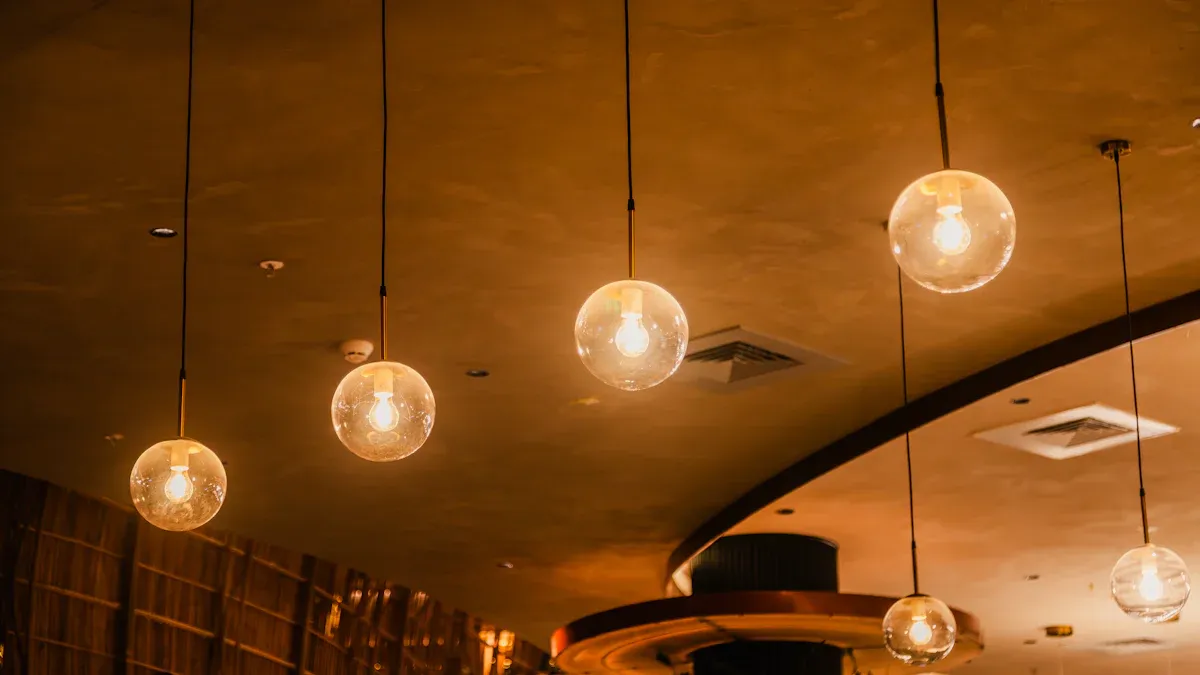
Imagine stepping into a room that instantly feels warm and inviting, thanks to the application of lighting design principles. Effective lighting can create this cozy atmosphere while serving practical purposes. Recent studies show that lighting design principles significantly impact both the warmth and functionality of your home. For example, warm lighting with yellow and orange tones sets an intimate mood, perfect for bedrooms and living areas. On the other hand, brighter, cooler lighting boosts alertness, making it ideal for kitchens and offices. By understanding how to adapt lighting according to these design principles for each room, you can transform your space into a cozy and enchanting haven.
Key Takeaways
Layer your lighting with ambient, task, and accent sources to create a balanced and inviting atmosphere in every room.
Use warm light (2700K-3000K) in living areas and bedrooms to promote relaxation and enhance comfort.
Maximize natural light by choosing the right window treatments and incorporating reflective surfaces like mirrors to brighten your space.
Consider dimmable lighting options for flexibility, allowing you to adjust brightness and set the perfect mood for any occasion.
Select various lighting fixtures, such as ceiling lights, table lamps, and wall sconces, to enhance both functionality and decor in your home.
Layering Lighting Design Principles
Creating a cozy atmosphere in your home involves more than just choosing the right light fixtures. It’s all about layering different types of lighting to achieve a balanced and inviting space. By combining ambient, task, and accent lighting, you can enhance both the functionality and the mood of any room.
Ambient Light
Ambient lighting serves as the foundation of your lighting design. It provides general illumination, ensuring that every corner of your room is well-lit. Think of it as the base layer that sets the tone for your space. Here are some effective ways to create ambient lighting:
Ceiling-mounted fixtures: These include flush mounts and chandeliers, which distribute light evenly across the room.
Wall sconces: They soften shadows and add architectural interest, making them perfect for hallways or living areas.
Portable lamps: These offer flexibility, allowing you to adjust the light as needed.
Using warm light (2700K–3000K) in areas like bedrooms and lounges creates a cozy atmosphere. In contrast, neutral white (3000K–4000K) works well in kitchens and offices. Layering ambient lighting with other sources enhances the overall effect, making your space feel more inviting.
Task Light
Task lighting focuses on specific areas where you need extra illumination for activities like reading, cooking, or working. It enhances functionality and reduces eye strain. Here are some popular solutions for effective task lighting:
Desk lamps: Perfect for home offices, they minimize shadows and provide direct light where you need it most.
Under-cabinet lights: These are essential in kitchens, illuminating countertops for food preparation.
Adjustable floor lamps: Great for reading nooks, they allow you to direct light exactly where you need it.
When positioning task lighting, remember to place it opposite your dominant hand to avoid casting shadows. This simple adjustment can make a big difference in your comfort and productivity.
Accent Light
Accent lighting adds drama and depth to your home. It highlights architectural features, artwork, or decorative elements, creating focal points that draw the eye. Here are some effective ways to incorporate accent lighting:
Recessed LED lights: These can highlight artwork or textured walls, adding visual interest.
LED strip lighting: Use it under shelves or along ceilings for a soft glow that enhances the ambiance.
Smart lights: These allow you to control color and brightness, giving you the flexibility to change the mood of your space.
By combining these three types of lighting, you create a well-rounded atmosphere that feels both cozy and functional. Layering lighting sources not only enhances the visual appeal but also ensures that your home meets your practical needs.
Using Warm Light

When it comes to creating a warm and cozy atmosphere in your home, using warm light is key. Warm lighting, typically between 2700K and 3500K, promotes relaxation and helps reduce stress levels. It creates an inviting environment that encourages social engagement and conversation. Here are some benefits of warm light:
It enhances visual comfort and positively influences your mood.
Warm light fosters feelings of intimacy, making spaces feel more inviting.
It can help alleviate anxiety, contributing to a peaceful home environment.
Color Temperature
Choosing the right color temperature is essential for different areas in your home. For cozy living rooms and bedrooms, aim for a color temperature between 2700K and 3000K. This range enhances comfort and intimacy, making it perfect for winding down after a long day. In bedrooms, keeping the color temperature under 3000K helps create a relaxed atmosphere conducive to restful sleep.
Here’s a quick reference for color temperatures in various spaces:
Living Rooms: 2700K – 3000K
Bedrooms: Under 3000K
Kitchens: 3000K – 4000K (for better visibility)
Light Bulb Choices
Selecting the right light bulbs can significantly impact the warmth of your space. Here’s a handy table to help you choose:
Bulb Type | Warm Light Effectiveness | Notes |
|---|---|---|
Incandescent | High | Natural, warm light, low price, dimmable. |
Halogen | High | Warm light with higher intensity. |
Compact Fluorescent | Moderate | Recent developments mimic warm light. |
LED | Moderate | Can provide warm light, but less warm than incandescent. |
Incandescent bulbs are known for their natural, warm light, making them a popular choice. Halogen bulbs also produce warm light but with higher intensity. While CFLs and LEDs can provide warm light, they generally don’t match the warmth of incandescent bulbs. However, LEDs and CFLs are much more energy-efficient, using 75% to 80% less energy than traditional bulbs.
By choosing the right warm light bulbs, you can create a cozy atmosphere that feels just right for your home.
Maximize Natural Light
Natural light can dramatically enhance the ambiance of your home. It creates a sense of openness and warmth, making spaces feel more inviting. To maximize natural light, you can implement a few effective strategies that not only brighten your rooms but also improve your overall well-being.
Window Treatments
Choosing the right window treatments is crucial for controlling how much natural light enters your home. You want to strike a balance between privacy and brightness. Here are some options to consider:
Sheer curtains: These allow light to filter through while maintaining some privacy.
Lightweight shades: They can be easily adjusted to let in more light when needed.
Blinds with adjustable slats: You can control the angle to direct light where you want it.
When selecting window treatments, consider their openness percentage. This percentage indicates how much light they allow in while providing privacy. Here’s a quick reference table:
Openness Percentage | Natural Light Preservation | Privacy Level |
|---|---|---|
1% | Blocks 95% of sunlight | High |
5% | Moderate light allowed | Moderate |
10% | Allows more light | Lower |
14% | Maximum light allowed | Lowest |
Lower openness percentages (like 1%) block more sunlight and provide higher privacy.
Higher percentages (like 14%) allow more light but reduce privacy.
Medium percentages (5% to 7%) strike a balance between natural light and privacy.
Reflective Surfaces
Incorporating reflective surfaces can significantly amplify the natural light in your home. Here are some effective ways to use them:
Mirrors: Positioning mirrors opposite windows can bounce light waves across the room, making it feel brighter and more spacious.
Glossy finishes: Light-colored walls and glossy furniture reflect ambient light beautifully, enhancing brightness.
Metallic accents: Silver or gold picture frames not only add elegance but also help distribute light throughout the space.
Reflective surfaces can effectively bounce sunlight into darker areas of a room. For instance, polished marble or light-toned wood flooring can create a luminous base, while white or pastel wall colors act as natural light reflectors.
By maximizing natural light, you not only brighten your home but also create a more vibrant and inviting atmosphere. Natural light has been shown to improve mood and productivity, making it a vital element in your home design.
Dimmable Lighting Options
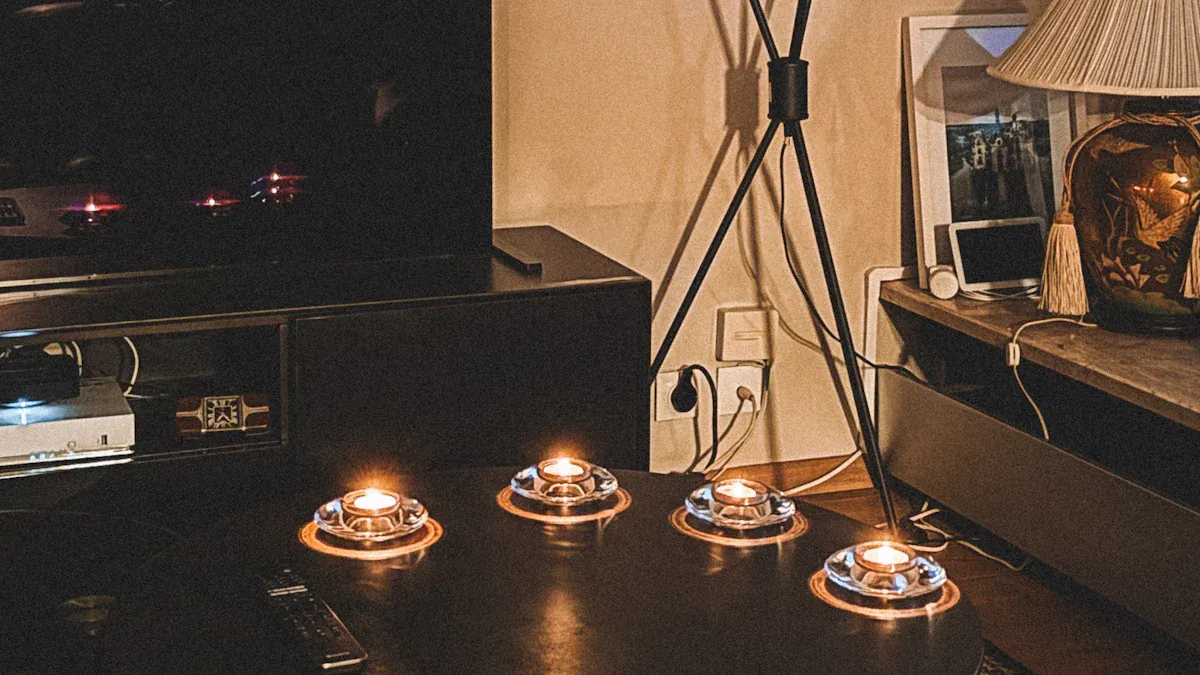
Dimmable lighting offers you flexibility that standard fixtures simply can’t match. Imagine being able to adjust the brightness of your lights to create the perfect atmosphere for any occasion. Whether you’re hosting a dinner party or enjoying a quiet evening at home, dimmable lights let you set the mood just right. Here are some key benefits of using dimmable lighting:
Extended Lifespan: Dimming your lights reduces heat stress on bulbs, which can extend their lifespan. This is especially beneficial for expensive bulbs, saving you money in the long run.
Lower Maintenance Costs: With fewer bulb replacements, you’ll enjoy lower maintenance costs and fewer disruptions in your lighting.
Enhanced Ambiance: Dimmable lights allow you to adjust brightness levels, creating a cozy atmosphere that suits your mood. You can easily transition from bright task lighting to soft accent lighting.
Additionally, dimmable LED lighting is energy efficient, providing significant savings on your electricity bills. You gain enhanced control over your lighting, allowing for a customizable experience in various settings. Quick changes in ambiance become effortless, making dimmable lights ideal for any environment.
Installation Tips
Installing dimmable lighting can be straightforward, but there are a few technical considerations to keep in mind. Here are some tips to ensure a smooth installation:
Check for a Neutral Wire: Many dimmer switches require a neutral wire, which may not be available in older homes. Make sure to check your wiring before purchasing a dimmer.
Match the Load: Ensure the electrical load of your lights is within the dimmer’s rated capacity. This prevents malfunctions and keeps your lighting safe.
Compatibility Matters: Not all light bulbs work with dimmer switches. Traditional incandescent bulbs usually are compatible, but LED and CFL bulbs require special consideration. Always check if your LED bulbs are dimmable and compatible with the specific dimmer to avoid flickering.
Each dimmer switch has a specified load rating, indicating the maximum wattage it can handle. Calculate the total wattage of your fixtures to avoid exceeding this rating. Proper wiring is crucial, so ensure compliance with local electrical codes. If you’re unsure, consulting a licensed electrician is a smart move for a safe installation.
By following these tips, you can enjoy the benefits of dimmable lighting while enhancing the cozy and functional atmosphere of your home.
Utilizing Various Lighting Fixtures
When it comes to creating a cozy and functional home, utilizing multiple fixture types is essential. Each type of lighting fixture serves a unique purpose and can significantly enhance both the decor and functionality of your space.
Ceiling Fixtures
Ceiling fixtures are often the main source of ambient lighting in a room. They provide essential illumination, ensuring your space feels bright and welcoming. Here are some popular types of ceiling fixtures:
Chandeliers: These statement pieces draw the eye upward and add a touch of elegance to dining areas or entryways.
Recessed lights: These fixtures blend seamlessly into the ceiling, offering a clean look while providing ample light.
Pendant lights: Perfect for kitchen islands or dining tables, they add character and can serve as focal points.
By choosing the right ceiling fixture, you not only illuminate your space but also enhance its overall aesthetic.
Table and Floor Lamps
Table and floor lamps offer flexible lighting solutions that can adapt to your needs. They provide focused light for specific tasks while adding style to your decor. Here’s a quick look at their advantages:
Type of Lamp | Advantages |
|---|---|
Floor Lamps | – Wide light coverage, reducing clutter and saving outlets. |
– Free surfaces, ideal when side tables are unavailable. | |
– Acts as a design statement in open-plan spaces. | |
– Energy efficiency, as LEDs can significantly reduce power usage. | |
Table Lamps | – Compact and portable, providing focused light. |
– Requires no floor space, just a flat surface. | |
– Affordable and easy to find. | |
– Compatible with smart bulbs for automation. |
These lamps can create cozy nooks for reading or relaxing, making them a versatile addition to any room.
Wall Sconces
Wall sconces are another fantastic option for enhancing both functionality and aesthetics. They can provide ambient, task, or accent lighting, making them perfect for hallways and bedrooms. Here are some benefits of using wall sconces:
They create a warm atmosphere, making spaces more inviting.
Sconces serve as decorative elements that complement your overall design.
They can highlight architectural features and artwork, drawing attention to specific areas.
The soft glow from sconces contributes to a relaxing environment, ideal for bedrooms and hallways. By incorporating these fixtures, you can elevate the ambiance of your home while ensuring it remains functional.
Decorative Lighting Elements
Decorative lighting elements can truly transform your space. They serve as focal points that draw the eye and enhance the overall aesthetic of your home. When you choose statement fixtures, you make a bold design choice that can define the character of a room.
Statement Fixtures
Statement fixtures focus on making an impact rather than blending in. Here are some defining characteristics of these eye-catching pieces:
They create visual impact and serve as a focal point.
You’ll find grand chandeliers with organic forms or sleek, geometric pendants.
These fixtures often feature bold shapes and sculptural designs.
They incorporate a mix of materials, adding depth and interest.
Consider scale and balance within the room to ensure harmony.
By incorporating these fixtures, you can elevate your space and create a cozy atmosphere that feels inviting.
Light as Art
Lighting can also be an art form in itself. Artistic lighting fixtures often feature unique and fluid shapes that enhance your home’s aesthetic appeal. Here are some ways light installations can create visual interest:
Sculptural Forms: These fixtures act as focal points, drawing attention and enhancing the room’s beauty.
Materiality: Using diverse materials like wood, ceramics, metals, and glass adds warmth and character to your space.
Color and Light Play: Control over light color allows you to create immersive environments that align with your overall design elements.
You can use decorative lighting to highlight artwork or architectural features. For example, picture lights over artwork can showcase details beautifully. In the dining area, a chandelier above the table serves as a stunning focal point.
By thoughtfully selecting decorative lighting elements, you can create a cozy and functional home that reflects your personal style.
In summary, thoughtful lighting design principles can truly transform your home into a cozy atmosphere. By layering ambient, task, and accent light, you create a balanced and functional space. Remember to match lighting to each room’s unique needs and consider using smart solutions for added comfort.
Avoid common mistakes like relying on a single light source or choosing the wrong size fixture. Experiment with different techniques to find what works best for you. Your home deserves to shine!
FAQ
What is the best type of lighting for a cozy living room?
For a cozy living room, use warm ambient lighting combined with soft task lighting. Consider floor lamps and table lamps with warm bulbs to create an inviting atmosphere.
How can I make my small room feel larger with lighting?
Use mirrors to reflect light and choose light-colored walls. Incorporate layered lighting with ceiling fixtures and wall sconces to brighten the space and create depth.
Are LED bulbs suitable for all types of fixtures?
Most LED bulbs work well in various fixtures, but check for compatibility, especially with dimmers. Look for bulbs labeled as “dimmable” if you plan to use them with dimmer switches.
How do I choose the right color temperature for my bedroom?
Aim for a color temperature between 2700K and 3000K for your bedroom. This range promotes relaxation and creates a warm, inviting environment for restful sleep.
Can I mix different types of light bulbs in one fixture?
Mixing bulb types in one fixture is generally not recommended. Different bulbs can produce varying light qualities and colors, leading to an uneven lighting effect. Stick to one type for consistency.