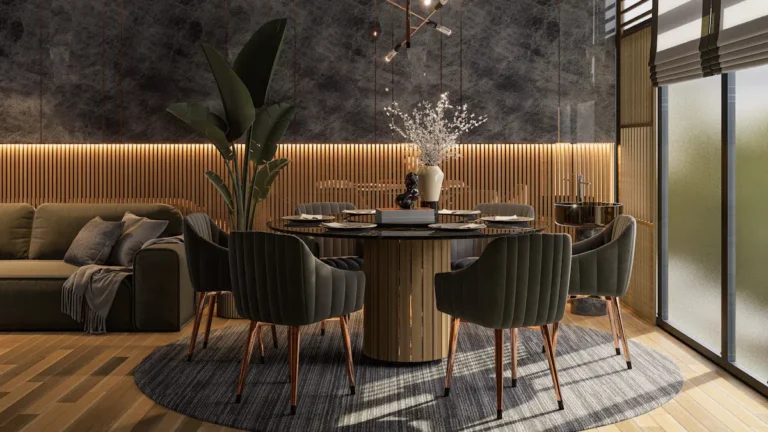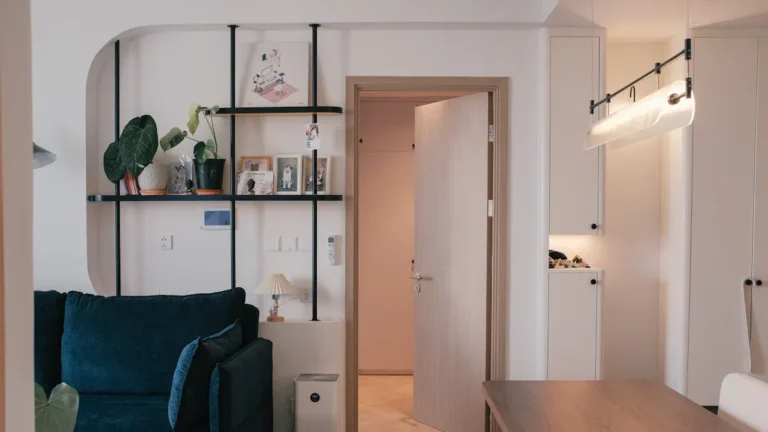
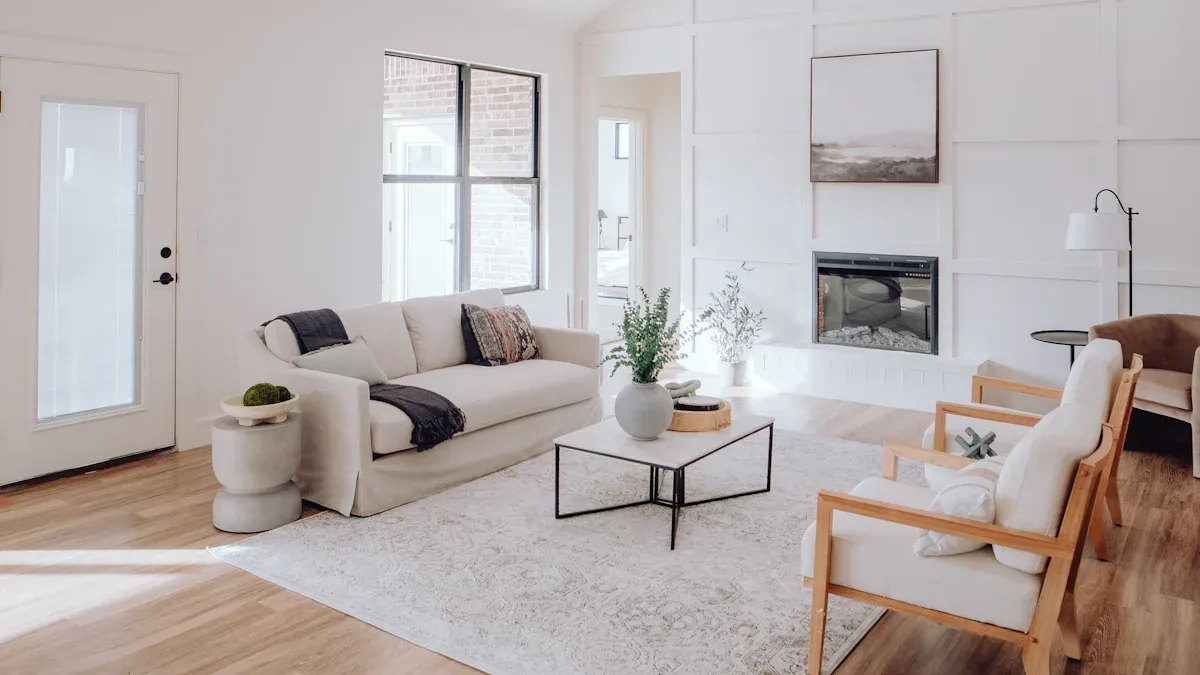
Modern home décor is all about creating spaces that reflect your personality and style. Staying updated with the latest interior design trends not only keeps your home feeling fresh but also inspires your creativity. Did you know that 58% of U.S. homeowners plan to renovate their homes within the next five years? This shows how important it is to stay in tune with what’s new and exciting. Trends can spark new ideas, helping you personalize your living space while considering what buyers might want in the future.
Key Takeaways
Explore various modern home décor styles like minimalism, industrial, and Scandinavian to find what resonates with your personality.
Incorporate sustainable materials such as reclaimed wood and bamboo to enhance your home’s aesthetic while being eco-friendly.
Utilize smart home technology to improve convenience and increase your home’s value, making it more appealing to future buyers.
Mix different design styles thoughtfully to create a unique space that reflects your individuality without causing visual clutter.
Implement budget-friendly updates like painting furniture or sourcing vintage items to refresh your home without overspending.
Modern Home Décor Styles
Minimalism
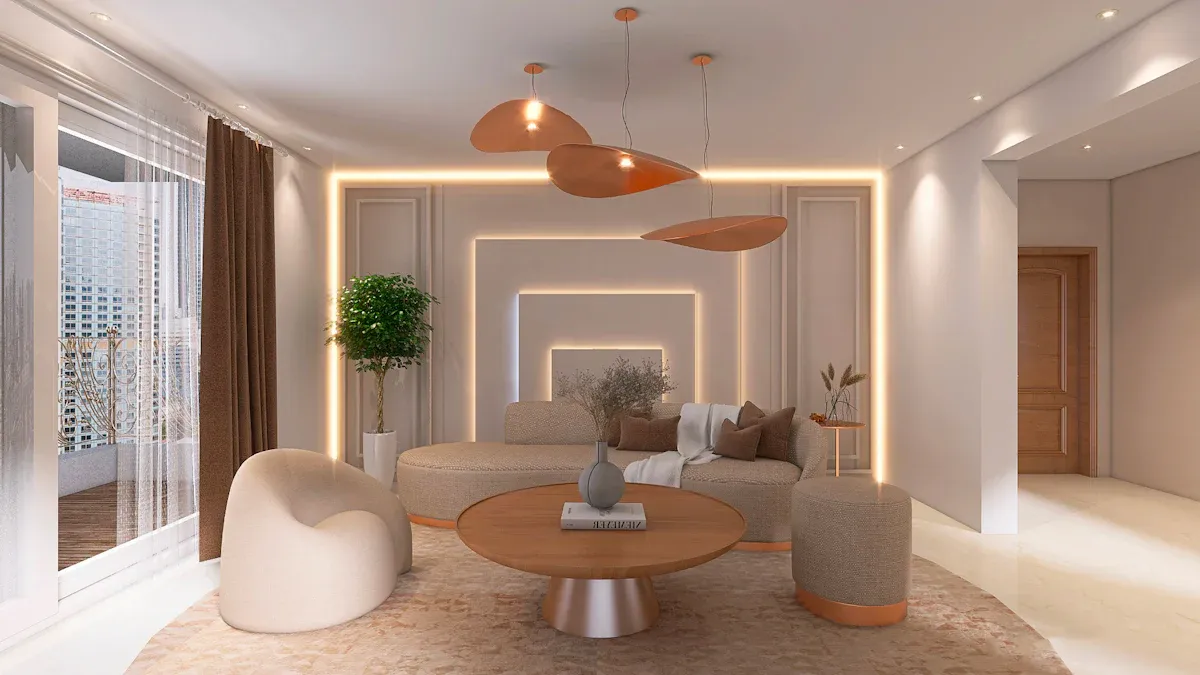
Minimalism is all about simplicity and functionality. This style emphasizes clean lines and a clutter-free environment. You can create a serene space by focusing on essential items and avoiding unnecessary decorations. Here are some defining characteristics of minimalism:
Characteristic | Description |
|---|---|
Simplicity | Minimalism emphasizes extreme spareness and simplicity in design. |
Functionality | Objects are designed to have only the necessary features to perform their function well. |
High-Quality Materials | Minimalist designs often utilize high-quality materials to enhance beauty while maintaining simplicity. |
Clutter Avoidance | Minimalism promotes avoiding clutter, which is known to be a stressor in home environments. |
Focus on Essentials | The style encourages owning fewer, essential items rather than accumulating unnecessary possessions. |
When it comes to color palettes, you might consider using natural warmth with shades like warm white and deep walnut. Alternatively, plum pops can add personality to a neutral base. These choices help create a cozy atmosphere while keeping the space feeling open and airy.
Industrial
Industrial style draws inspiration from warehouses and factories. It celebrates raw materials and an unfinished look. You can achieve this aesthetic by incorporating elements like exposed brick walls, weathered wood, and steel beams. Here’s a quick look at some materials commonly used in industrial décor:
Material Type | Description |
|---|---|
Exposed Brick Walls | Celebrates raw, unadorned materials, showcasing imperfections and structural elements. |
Weathered Wood | Introduces warmth and a natural feel, often used in furniture and accent walls. |
Steel Beams | Highlights industrial heritage, serving as focal points in the design. |
Metal | Commonly used in furniture, embodying durability and functionality. |
Reclaimed Wood | Softens industrial edges, adding depth and character to the space. |
You can also add oversized lighting fixtures to enhance the industrial vibe. Think bold designs like pendant lights with exposed bulbs. This style is perfect for those who appreciate a no-nonsense, utilitarian aesthetic.
Scandinavian
Scandinavian design focuses on creating a warm and inviting atmosphere. It emphasizes natural materials, functionality, and minimalism. Here are some core elements that define this style:
Element | Description |
|---|---|
Natural Materials | Emphasizes the use of wood, stone, and textiles to create a connection to nature. |
Functionality | Focuses on intelligent storage solutions to maintain a clutter-free environment. |
Minimalism | Prioritizes simplicity and clean lines in design, creating an uncluttered aesthetic. |
Warm Atmosphere | Combines neutral tones and natural textures to create a cozy and inviting space. |
Natural Light | Maximizes daylight through large windows and skylights to enhance well-being. |
Indoor Plants | Incorporates greenery to add life and promote a sense of freshness and well-being. |
You can achieve a Scandinavian look by using a mix of whites with accents of blue or greige. This combination creates a contemporary feel while maintaining warmth.
Bohemian
Bohemian design is all about expressing individuality and creativity. It embraces an eclectic mix of vintage and global elements. Here are some key features that distinguish bohemian décor:
Eclectic approach to decorating
Mixing vintage and global elements
Focus on texture and pattern
Use of bold colors
Emphasis on individuality and self-expression
You can incorporate rich textiles from different cultures, like woven wall hangings or exotic plants, to enhance the bohemian aesthetic. This style allows you to showcase your personality and create a space that feels uniquely yours.
Mid-Century Modern
Mid-century modern design is characterized by clean lines and functional simplicity. This style has influenced contemporary furniture design trends significantly. Here are some main design elements:
Design Element | Description |
|---|---|
Clean Lines | Features minimal fuss, maximum function, and clean lines. |
Unique Furniture Designs | Hairpin- and peg-style legs exemplify the streamlined, simple look. |
Natural Materials | Wood elements are often incorporated in ceilings, walls, and floors. |
Bold Geometric Patterns | Wallpaper is often used as an accent featuring bold geometric patterns. |
Statement Front Doors | Front doors are a place where homeowners play with color, shapes, and design. |
This style often includes bursts of color in furniture and accent walls, making it vibrant and lively. You can easily blend mid-century modern pieces with other styles for a fresh look.
Japandi
Japandi style combines Japanese minimalism with Scandinavian warmth. This trend focuses on natural materials and minimalist layouts. Here are some defining characteristics:
A blend of Japanese minimalism and Scandinavian warmth.
Focus on natural materials like wood, stone, and textiles.
Minimalist layouts that promote functional flow.
Use of soft neutral and earthy tones for a cozy atmosphere.
Emphasis on natural light and space to create a calm environment.
You can achieve a Japandi look by incorporating elements from both styles, such as clean lines and a focus on craftsmanship. This combination creates a tranquil and harmonious space.
Key Interior Design Trends
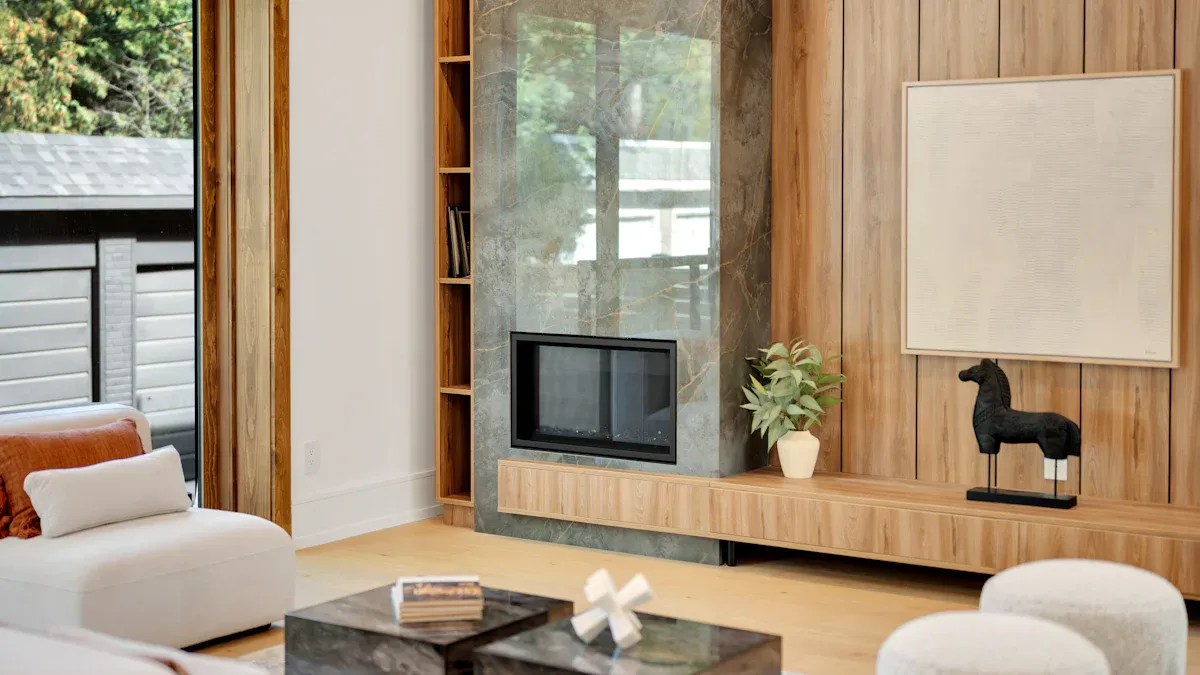
Sustainable Design
Sustainable design is more than just a trend; it’s a movement towards eco-friendly living. You can make a positive impact by choosing materials that are good for the planet. Here are some popular sustainable materials you might consider for your home:
Sustainable Wood: This versatile option comes from responsibly managed forests.
Recycled Materials: Think about using recycled steel, concrete, and glass to minimize waste.
Bamboo: Fast-growing and strong, bamboo is perfect for various applications.
Natural Stone: Long-lasting and low maintenance, it adds a touch of elegance.
Hempcrete: This eco-friendly alternative to concrete offers excellent insulation.
By incorporating these materials, you not only enhance your home’s aesthetic but also contribute to a healthier environment.
Smart Home Integration
Smart home technology has transformed how you interact with your living space. Imagine controlling your lighting, heating, and security from your smartphone! Here are some popular smart devices that can elevate your home:
Smart Lighting Systems: These allow you to customize ambiance and improve security.
Smart Speakers: They serve as voice-controlled assistants, integrating seamlessly with other devices.
Device Type | Description |
|---|---|
Smart Entertainment Systems | Provide personalized experiences with streaming services and multi-room audio. |
Energy Management Systems | Help optimize energy consumption and reduce costs by monitoring usage. |
Smart Irrigation Systems | Use weather data to conserve water while maintaining your landscape. |
Integrating smart technology not only enhances convenience but also boosts your home’s value. Buyers are increasingly interested in homes equipped with these features, making it a smart investment.
Bold Colors and Patterns
If you want to make a statement, bold colors and patterns are the way to go! Recent trends show that deep, saturated tones like plum, aubergine, and oxblood are becoming the new neutrals. Jewel tones such as emerald and dusty pink are also gaining popularity. You can pair these colors with rich textures and vintage-style patterns to create a vibrant atmosphere.
Incorporating patterns can completely transform a space. Geometric designs convey modernity, while florals add softness. Stripes can visually elongate or widen a room, depending on their direction. Remember, patterns add visual rhythm and interest, injecting character into your home.
Multi-Functional Spaces
As living spaces get smaller, multi-functional design becomes essential. You can maximize your space by using transformable furniture like Murphy beds and modular sofas. Here are some effective strategies for creating versatile areas:
Use vertical space with shelves and lofted areas.
Define zones with rugs or lighting to separate activities.
Choose dual-purpose pieces like storage ottomans and expandable tables.
The demand for multi-functional furniture has skyrocketed, especially since 2020. With urban living on the rise, people are looking for solutions that blend style and functionality. This trend not only enhances your living experience but also reflects a modern lifestyle.
Vintage and Retro Revival
Vintage and retro styles are making a strong comeback, appealing to younger homeowners who crave individuality. Here are some elements you might consider incorporating:
Design Element | Description |
|---|---|
Mid-Century Modern Style | This classic style adds a sense of history to modern interiors. |
Rustic Wood | The warmth of rustic wood tones is regaining popularity, often found in antique pieces. |
Gilded Mirrors | Vintage mirrors add character and charm, creating a focal point in any room. |
Curvy Furniture | Curvy designs from the past mix beautifully with modern pieces, creating stylish spaces. |
Younger homeowners connect with vintage pieces for their nostalgia and uniqueness. Choosing vintage not only supports eco-conscious living but also allows for personal expression in home decor.
Tips for Incorporating Trends
Choosing the Right Style
When you think about modern home décor, consider what resonates with you. Here are some key points to help you choose the right style for your space:
Open-concept floor plans promote seamless flow between spaces.
Emphasizing natural light enhances the brightness of interiors.
Minimalism and clean lines create organized and uncluttered living areas.
Neutral color palettes allow for easy updates to furniture and décor.
Your personal preferences should guide your choices. Think about what colors, materials, and furniture you love. Also, consider your home’s architectural style. It should harmonize with your décor to avoid a disjointed look.
Mixing Styles
Mixing different interior design styles can create a unique and personalized space. Here are some tips to do it without creating visual clutter:
Mix different textures and materials for visual interest.
Incorporate a standout piece to create a focal point.
Use a consistent color palette to maintain cohesion across styles.
Ensure every item serves a purpose to avoid clutter.
Create negative space to give the eyes a rest in busier areas.
By layering styles thoughtfully, you can showcase your personality while keeping your space inviting.
Budget-Friendly Updates
You don’t need to spend a fortune to refresh your home. Here are some cost-effective ways to update your décor:
Method | Description |
|---|---|
Painting Furniture | Transform old furniture with a fresh coat of paint to change the ambiance of a room. |
Using Area Rugs | Large rugs can ground furniture and cover unattractive flooring, enhancing the overall look. |
Layering Lighting | Incorporate various light sources like table and floor lamps to create a cozy atmosphere. |
Sourcing Vintage Items | Consider secondhand items for unique décor at a lower cost, such as vintage bathroom fixtures. |
Changing Plug Sockets & Switches | Updating these small details can significantly elevate the style of a living space without much expense. |
Styling with Existing Items | Rearranging and styling items you already own can refresh a room without any new purchases. |
Effective planning is crucial for maximizing your budget. Draft a financial plan and identify which projects you can tackle as DIY versus those that require professional help. This way, you can ensure you’re making the most of your resources.
Understanding modern home décor styles and interior design trends is essential for creating a space that feels uniquely yours. By staying informed, you can design areas that are not only beautiful but also functional and adaptable to your lifestyle. This adaptability helps your home evolve with your changing preferences and daily routines, ultimately enhancing your quality of life.
So, don’t hesitate! Explore different styles, mix and match, and let your creativity shine. Your home should reflect who you are, so have fun experimenting with these trends. 🏡✨
FAQ
What is the best way to choose a home décor style?
Start by considering your personality and lifestyle. Look for inspiration in magazines, online platforms, or friends’ homes. Think about colors, materials, and furniture that resonate with you.
How can I mix different décor styles effectively?
To mix styles, choose a consistent color palette. Use textures and materials that complement each other. Incorporate a standout piece to create a focal point, and ensure every item serves a purpose.
What are some budget-friendly ways to update my home?
You can paint furniture, use area rugs, or rearrange existing items. Sourcing vintage pieces can also add character without breaking the bank. Small updates, like changing light fixtures, can make a big difference.
How do I incorporate sustainable design into my home?
Choose eco-friendly materials like reclaimed wood or bamboo. Opt for energy-efficient appliances and consider secondhand furniture. Small changes can significantly impact your home’s sustainability.
What are the current color trends in home décor?
Deep, saturated tones like plum and emerald are popular. Jewel tones and earthy shades create a cozy atmosphere. Don’t shy away from bold patterns to add character to your space!