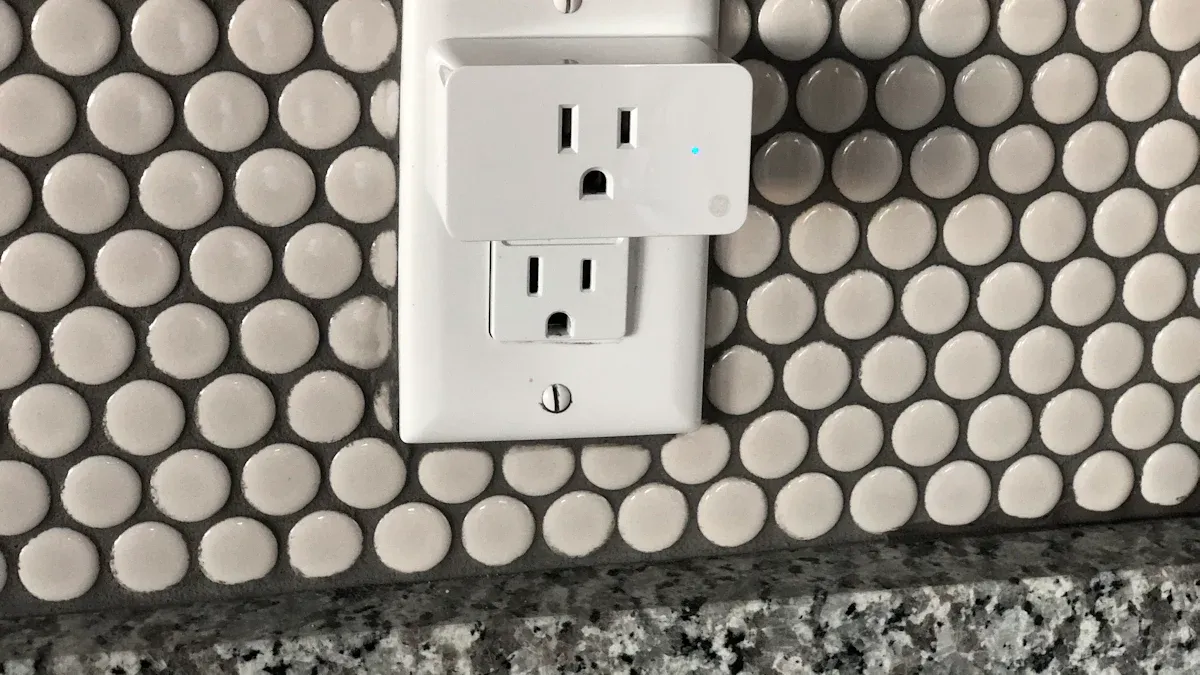
Electricity costs keep climbing, leaving many of us searching for ways to save. Did you know the average residential electricity rate is around 17.78 cents per kWh? That’s a significant amount! This is where smart plugs come into play. These handy devices not only help you monitor your energy use but also empower you to reduce electricity bills effectively. With smart plugs, you can remotely control appliances, set schedules, and even automate your home, making energy management easier than ever.
Key Takeaways
Smart plugs allow remote control of appliances, making it easy to manage energy use from anywhere.
Energy monitoring features help identify high-energy devices, enabling targeted actions to reduce consumption.
Scheduling appliances to run during off-peak hours can lead to significant savings on electricity bills.
Smart plugs can eliminate phantom energy usage by automatically turning off devices that are not in use.
Integrating smart plugs into your home promotes energy efficiency and contributes to a greener environment.
Smart Plugs Overview
Key Features of Smart Plugs
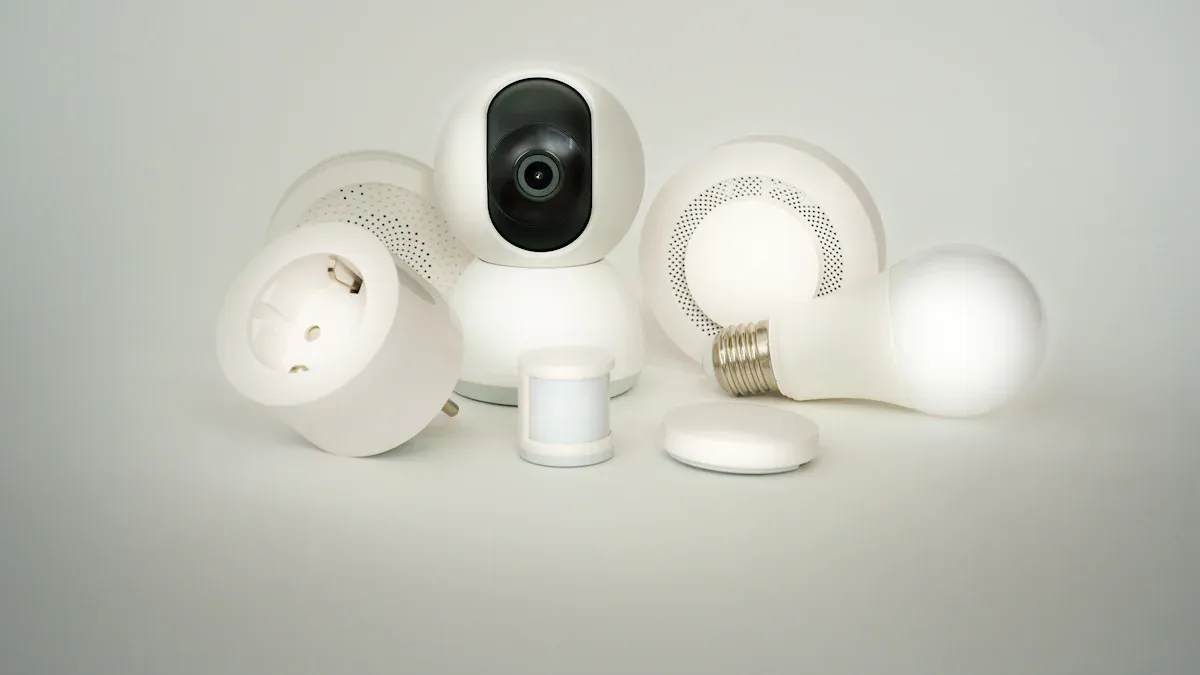
Smart plugs are innovative devices that transform your regular appliances into smart ones. They allow you to control your devices remotely, making energy management a breeze. Here’s what sets smart plugs apart from traditional plugs:
Remote Control: You can turn appliances on or off from anywhere using your smartphone.
Energy Monitoring: Smart plugs track how much energy your devices consume, helping you optimize energy usage.
Scheduling: Set timers for your devices to operate only when needed, which can lead to significant energy savings.
Voice Control: Many smart plugs work with voice assistants, allowing you to manage your devices hands-free.
Unlike traditional plugs, which are fixed installations, smart plugs are plug-and-play devices. You can easily relocate them and use them with various appliances. This flexibility makes them a great addition to any home.
Using smart plugs can help you reduce electricity bills. By monitoring energy consumption, you gain insights into which devices use the most power. For instance, you can schedule high-energy devices to run during off-peak hours, taking advantage of lower electricity rates. Additionally, smart plugs can automatically turn off devices that are left on, preventing unnecessary energy waste.
Here are some common features you’ll find in smart plugs available on the market:
Wi-Fi Module: Connects to your home network for remote access.
Power Monitoring Chip: Tracks energy consumption of connected devices.
Relay Switch: Controls the power flow to your appliances.
App Interface: Lets you manage settings and schedules from your phone.
With these features, smart plugs not only enhance convenience but also promote energy efficiency in your home. By integrating them into your daily routine, you can take control of your energy consumption and enjoy the benefits of lower bills.
How Smart Plugs Work
Managing Energy Consumption
Smart plugs connect to your home network, allowing you to control your devices from anywhere. Most smart plugs use Wi-Fi, which operates on a frequency of 2.4 GHz. This connectivity enables you to manage your appliances through a smartphone app or voice commands. Here’s a quick look at the connectivity options for smart plugs:
Connectivity Type | Frequency |
|---|---|
Wi-Fi | 2.4 GHz |
With smart plugs, you can easily turn devices on or off, set schedules, and monitor energy usage. This flexibility helps you optimize energy usage and reduce electricity bills.
The energy monitoring feature of smart plugs is particularly valuable. It provides real-time feedback on how much energy your devices consume. You can track usage patterns and identify which appliances are energy hogs. This insight allows you to make informed decisions about when to use certain devices. Here are some key features of energy monitoring in smart plugs:
Feature | Description |
|---|---|
Remote Control | Allows users to control appliances from anywhere. |
Real-time Monitoring | Provides immediate feedback on energy consumption. |
Historical Data Monitoring | Tracks energy usage over time for analysis. |
Automation | Enables scheduling and automation of devices. |
Smart Home Integration | Works with other smart home devices for enhanced functionality. |
By utilizing these features, you can pinpoint phantom energy usage, which refers to the energy consumed by devices when they are turned off but still plugged in. This can lead to significant energy savings over time.
Additionally, smart plugs integrate seamlessly with voice assistants like Amazon Alexa and Google Assistant. You can simply say commands like “Turn on my Smart Plug” or “Turn off my EV Charger” to manage your devices hands-free. This level of convenience makes energy-efficient living even easier.
Practical Use Cases
Preventing Energy Waste
Smart plugs offer a variety of practical applications that can help you prevent energy waste in your home. You can control many devices with these handy plugs, including:
Chargers: Keep your phone and tablet chargers from drawing power when not in use.
Coffee Makers: Schedule your coffee maker to turn on just before you wake up, so it’s ready when you are.
Fans and Heaters: Control heating and cooling devices to run only when needed, saving energy and money.
TVs and Entertainment Systems: Automatically shut off devices that tend to stay on, even when you’re not using them.
By using smart plugs, you can take advantage of scheduling and automation features that make energy management easier. For example, you can set your devices to operate during off-peak hours when electricity rates are lower. This not only helps you save on your monthly bills but also reduces peak energy demand in your household. Here are some key benefits of scheduling and automation:
Automatic Shut-off: Smart plugs can automatically turn off devices, ensuring they are completely powered down when not in use. This eliminates phantom energy usage, which can account for a significant portion of your electricity bill.
Remote Control: You can cut power to chargers and other devices from anywhere, preventing unnecessary energy draw. Imagine being able to turn off your devices while you’re out and about!
Optimized Usage: Scheduling appliances to run only when needed helps you optimize energy usage. For instance, you can program your dishwasher to run late at night when energy demand is lower.
Real-time Monitoring: Smart plugs provide real-time feedback on energy consumption. This allows you to identify which devices consume the most power, enabling you to take targeted actions for saving energy.
In fact, studies show that using smart plugs can lead to significant savings. For example, households can save around $30 per month by eliminating phantom loads and optimizing appliance usage. Additionally, advanced power strips and smart plugs are often integrated into utility demand-side management programs, providing measurable savings without requiring significant retrofitting.
By incorporating smart plugs into your daily routine, you can enjoy energy-efficient living while keeping your electricity bills in check.
Addressing Common Concerns
When considering smart plugs, you might wonder if they really save money. The answer is a resounding yes! Many users report significant reductions in their monthly bills after integrating smart plugs into their homes. By monitoring energy usage and eliminating phantom loads, you can optimize your energy consumption. In fact, studies show that households can save around $30 per month just by using smart plugs effectively.
Now, let’s talk about ease of use. Installing smart plugs is a breeze! Here’s a quick guide to get you started:
Plug your smart plug into your chosen outlet.
Press the button on your smart plug to turn it on.
On your phone or tablet, download the smart plug’s associated app.
Press and hold the power button on your smart plug for a few seconds to place it into pairing mode.
Follow the instructions on your app to complete the pairing process.
Most people find this process straightforward, even if it’s their first time using smart plugs.
However, some concerns do arise. For instance, safety risks can occur if smart plugs overheat, leading to fire hazards. Connectivity issues can also pop up, especially after power outages. Additionally, compatibility with existing smart home systems can be tricky. Some plugs may not integrate well, requiring specific setups.
Here’s a quick overview of common concerns:
Concern Type | Description |
|---|---|
Safety Risks | Overheating can lead to fire hazards and disrupt smart plug operations. |
Connectivity Issues | Problems with network connections can arise, especially after power outages. |
Compatibility | Some smart plugs may not integrate well with existing smart home systems, requiring specific setups. |
Despite these concerns, the benefits of smart plugs often outweigh the drawbacks. With a lifespan of 5 to 7 years, you can recoup your initial investment through energy savings within just a few years. So, if you’re looking to reduce electricity bills and manage your energy usage better, smart plugs are definitely worth considering!
Smart plugs offer a simple yet effective way to monitor your energy use and save on electricity bills. They automate power schedules, cut off standby power, and encourage eco-friendly habits. By integrating smart plugs into your home, you can enjoy lower energy consumption and contribute to a greener environment.
Consider exploring models like the Emporia Smart Plug or the TP-Link Kasa EP25 to find the best fit for your needs. With smart home technology advancing, now is the perfect time to take control of your energy management!
FAQ
What are smart plugs?
Smart plugs are devices that allow you to control your appliances remotely. You can turn them on or off using your smartphone or voice commands, making energy management simple and efficient.
How do smart plugs help save energy?
Smart plugs monitor energy consumption and allow you to schedule devices. By turning off appliances when not in use, you can reduce energy waste and lower your electricity bills.
Are smart plugs easy to install?
Yes! Installing smart plugs is straightforward. Just plug them into an outlet, connect them to your Wi-Fi, and use the app to manage your devices. You’ll be up and running in no time!
Can I use smart plugs with any appliance?
Most appliances work with smart plugs, but check the power rating first. High-wattage devices like space heaters may not be compatible. Always follow the manufacturer’s guidelines for safe usage.
Do smart plugs work with voice assistants?
Absolutely! Many smart plugs are compatible with voice assistants like Amazon Alexa and Google Assistant. You can control your devices hands-free, making energy management even more convenient.